Imagine stepping into your home after a long day, the lights turn on automatically, the thermostat adjusts to your preferred setting, and even your favorite music starts playing. Sounds great, right? This is the allure of smart home technology. However, with all this convenience comes a significant responsibility: the importance of securing your smart home devices effectively.
Many homeowners are eager to dive into the world of home automation, yet few consider the potential risks involved. Imagine a stranger accessing your home security camera or adjusting your thermostat to an uncomfortable temperature. This isn’t just a paranoia-fueled scenario; it’s a genuine concern with the rise of IoT device protection issues. So, how can you navigate this digital landscape and secure your smart home devices effectively? Let’s explore some practical smart home security tips.
Understanding the Risks: The Dark Side of Convenience
When you decide to embrace smart home technology, it’s essential to understand that each device can potentially be a doorway for cybercriminals. From smart doorbells to connected refrigerators, every device could be exploited if not properly secured. The problem often starts with defaults; many devices come with standard passwords that users forget to change. Here’s what most people get wrong: they assume that the manufacturers have their back, which isn’t always true.
Moreover, many smart home gadgets aren’t built with the same level of security as traditional home security systems. This makes it critical to educate yourself about the potential vulnerabilities of each device and how to mitigate them.
Change Default Passwords
This might seem like a no-brainer, but it’s astonishing how many people keep the default passwords provided by manufacturers. Changing these passwords is one of the simplest yet most effective ways to secure your smart home devices effectively. Always go for a strong, unique password for each device. Use a mix of letters, numbers, and symbols to enhance security.
- Don’t use easily guessed passwords like “123456” or “password.”
- Consider phrases or a combination of unrelated words.
- Make sure to update passwords regularly, at least once every few months.
Two-Factor Authentication: Don’t Skip It
Two-factor authentication (2FA) adds an extra layer of security to your smart devices. In my experience, enabling 2FA can significantly reduce the risk of unauthorized access. This means that even if someone figures out your password, they’ll still need a second form of verification, like a code sent to your phone.
Many smart home devices offer 2FA, but not all users opt in. Make it a habit to enable this feature wherever it’s available. It may take a few extra seconds to log in, but that’s a small price to pay for enhanced security.
Regular Software Updates
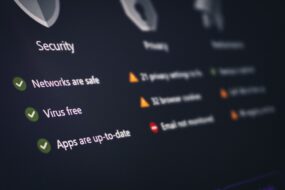
Keeping your smart devices updated might seem tedious, but it’s crucial. Manufacturers often release updates to patch vulnerabilities that have been discovered. Ignoring these updates can leave gaps in your security. Create a routine to check for updates regularly, or enable automatic updates if possible.
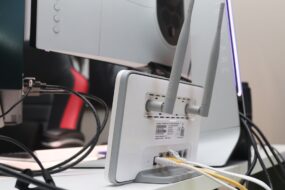
In addition, make sure your Wi-Fi router’s firmware is up to date, as all smart home devices typically connect through it. This is another area where folks often overlook security!
Secure Your Home Network
Talking about securing your smart home devices effectively wouldn’t be complete without a discussion on your home network. Your Wi-Fi is the backbone of all your smart gadgets. If someone gains access to your network, they can potentially control all connected devices.
Here are some tips to secure your home network:
- Change the default name of your network (SSID): Using your ISP’s default name is a giveaway; change it to something neutral that doesn’t reveal personal information.
- Use a strong Wi-Fi password: Just like with your devices, your Wi-Fi password should be unique and hard to guess.
- Consider using a guest network: If you have friends over, consider setting up a separate guest network for them. It keeps your main network more secure.
- Enable WPA3 encryption: If your router supports it, use WPA3 as it’s the most secure wireless encryption available.
Limit Device Access
Every smart home device doesn’t need access to everything. It’s a good idea to limit permissions to only what’s necessary for each device. For example, your smart refrigerator doesn’t need access to your smart lights. This not only reduces the potential attack surface but also streamlines your home automation security.
Additionally, if you’re using third-party applications to control your devices, make sure you read their privacy policies carefully. Some apps may request access to more data than is necessary.
Monitoring and Alerts: Stay Informed
If you want to secure your smart home devices effectively, keeping tabs on what’s going on in your home is vital. Most devices allow you to set up alerts for unusual activity. For instance, if your security camera detects motion at an odd hour, get notified immediately. This can give you peace of mind and help you respond quickly if something seems off.
Some smart home security systems even enable monitoring through your smartphone, allowing you to keep an eye on your home even when you’re not there. It’s all about staying proactive rather than reactive.
Know When to Get Help
Despite all your precautions, there may still be moments when you’re unsure how to proceed, especially when it comes to setup or troubleshooting. Don’t hesitate to seek professional help if you feel overwhelmed. Many local home automation specialists can assist in ensuring that all your smart home devices are securely configured, and they can offer expert advice on maintaining that security.
When in doubt, remember: securing your smart home devices effectively isn’t just about individual components; it’s about creating an ecosystem where all parts work together to keep you safe. When it comes to tech, it’s safer to be cautious than to risk compromising your home.
Conclusion: Your Smart Home Security Starts With You
The convenience of smart home technology can heighten your quality of life, but it shouldn’t come at the expense of safety and privacy. Securing your smart home devices effectively involves being informed, proactive, and vigilant. By following these smart home security tips, you can significantly reduce the risk of unauthorized access and keep your home safe.
As we continue to embrace technological advancements in our homes, remember that security needs to be a priority. Stay updated, remain aware, and don’t shy away from asking for help when you need it. Your smart home should be a source of comfort, not worry.