Imagine coming home after a long day at work, and as you approach your front door, your smart lock automatically unlocks it for you. You step inside, and the lights turn on, the thermostat adjusts to your preferred temperature, and your favorite playlist starts blaring from the smart speakers in the kitchen. It sounds like a scene from a futuristic movie, but for many, it’s simply the reality of life in a smart home. However, as convenient as these devices are, they can also put your privacy and security at risk. So, how to secure your smart home devices effectively? Let’s explore.
Understanding the Risks of Smart Home Devices
First off, let’s face it: security breaches are real, and smart devices can be an easy target. There’s no denying that smart devices enhance our living spaces; however, it’s essential to recognize the vulnerabilities that come with them. In my experience, many users tend to overlook the potential risks involved. From hackers gaining access to personal data to smart cameras being hijacked, the threats are varied and constant.
When you introduce Internet of Things (IoT) devices into your home, you’re essentially adding multiple entry points for potential hackers. Here are just a few examples of popular smart devices that could be at risk:
- Smart locks
- Security cameras
- Smart speakers
- Connected thermostats
- Wearable devices
Knowing the risks is the first step towards protecting your home. So, what can you do to ensure your smart home remains safe?
Smart Home Security Tips to Get Started
There’s no one-size-fits-all solution when it comes to securing your smart home devices. However, there are practical steps you can take to improve your home automation safety. Here are some essential tips to get you started:
1. Change Default Passwords
Don’t overlook this one. Most devices come with default usernames and passwords that are easily accessible online. It’s a common mistake to leave them unchanged, but this makes it easy for hackers to gain access. Always change the default password to something unique and complex, mixing letters, numbers, and symbols. In my experience, people often underestimate the strength of this basic step in protecting IoT devices.
2. Enable Two-Factor Authentication
Two-factor authentication (2FA) is another layer of security that can significantly enhance your device’s defense. It usually involves a secondary step, such as a code sent to your phone or email, which must be entered along with your password. Many smart home devices now offer 2FA—make sure to enable it wherever possible.
3. Keep Software Updated
This might seem tedious, but updating your device’s software regularly is crucial. Manufacturers often release updates to fix security vulnerabilities and improve performance. By neglecting updates, you could be exposing your devices to easily avoidable threats. Here’s what most people get wrong: they think that once a device is set up, it no longer needs attention. That couldn’t be further from the truth.
Protecting IoT Devices with a Secure Network
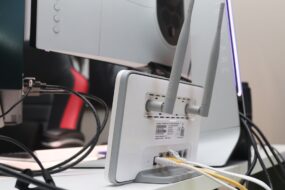
Your home Wi-Fi network is the backbone of all your smart devices. Securing it is essential for protecting your smart home. Here are some steps to ensure a safe network:
4. Use a Strong Wi-Fi Password
Your Wi-Fi password should be as strong, if not stronger, than the passwords you use for individual devices. Make it long and complex, avoiding easy-to-guess phrases or birthday dates. If you find it challenging to remember complex passwords, consider using a password manager.
5. Set Up a Separate Network for Smart Devices
A great way to bolster your home network security is to create a separate network specifically for your smart devices. This way, if your smart devices are compromised, your main network—and the sensitive data on it—remains protected. Most modern routers allow you to set up guest networks easily.
6. Disable Unused Features
Many smart devices come packed with features that you might never use. Disabling these unused features can minimize potential vulnerabilities. For example, if your smart camera has a remote viewing option that you don’t need, turn it off. It’s a common oversight that can lead to unnecessary risks.
Monitoring and Updating Your Security Practices
Now that you’ve taken steps to enhance your smart home security, keeping an eye on your devices is vital. Here’s how you can maintain security over time:
7. Regularly Review Connected Devices
Make it a habit to periodically check which devices are connected to your network. Most routers will show you the list, and you can review them to ensure no unknown devices are connected. If you spot any suspicious activity, take action immediately.
8. Be Cautious with Smart Device Integrations
Many smart devices can integrate with other platforms, like Alexa or Google Assistant. While this integration can enhance functionality, it might also open doors to vulnerabilities. Always review the permissions and access you’re granting during the setup process. In my experience, many users overlook this crucial step and end up giving out more access than they realize.
The Importance of Physical Security
When discussing how to secure your smart home devices, don’t forget about physical security. Digital protections are useless if someone can easily access your devices in person. Here are a couple of critical considerations:
9. Secure Smart Devices from Physical Tampering
Ensure your smart devices—especially those like security cameras and smart locks—are installed in a way that they’re less accessible to prying hands. Consider placing devices higher up or in less obvious locations. This is particularly important for security cameras aimed at keeping burglars at bay; a well-placed camera can deter theft before it happens.
10. Educate Your Household
Finally, make sure everyone in your household understands the importance of smart home security. Establish guidelines on how to use and manage smart devices safely. It’s easier to maintain security when everyone is on the same page; after all, one individual’s oversight can compromise the entire system.
Final Thoughts on Securing Your Smart Home
As we increasingly embrace smart home technology, understanding how to secure your smart home devices effectively becomes more critical than ever. By following these smart home security tips—changing default passwords, enabling two-factor authentication, regularly reviewing your devices, and maintaining physical security—you can significantly enhance your home automation safety.
Like with many aspects of technology, keeping your devices secure requires constant vigilance, but the peace of mind that comes with knowing you’ve taken critical steps can’t be overstated. Stay alert, stay informed, and your smart home can remain a safe haven in the digital age.