Have you ever stopped to think about what your clothes are made of? As more people become aware of the impact of fast fashion on the environment, it’s clear that the conversation around clothing isn’t just about style anymore; it’s also about sustainability. With a growing desire for eco-friendly options, the best sustainable fabrics for eco-friendly fashion are taking center stage. Let’s explore what these fabrics are, why they matter, and how they contribute to a more sustainable future in fashion.
Why Choose Sustainable Fabrics?
It’s hard to ignore the toll that traditional textile production takes on our planet. From water-intensive processes to harmful chemicals and waste, the conventional fashion industry often comes at a significant environmental cost. So, why choose sustainable fabrics? In my experience, opting for eco-friendly fabrics can significantly reduce our collective carbon footprint, conserve resources, and promote ethical labor practices. Echoing what most people get wrong, it’s not just about looking good; it’s also about feeling good in the knowledge that you’re making better choices for the planet.
The Best Sustainable Fabrics for Eco-Friendly Fashion
So, what ARE the best sustainable fabrics for eco-friendly fashion? Let’s break it down. While there’s no one-size-fits-all answer, here are some standout materials you might want to consider for your wardrobe.
1. Organic Cotton
When it comes to eco-friendly fabrics, organic cotton often tops the list. Unlike conventional cotton, which relies heavily on pesticides and fertilizers, organic cotton is grown without these harmful chemicals. This not only protects the environment but also the workers involved in its production. Fashion produced from organic cotton can be just as stylish and comfortable as traditional cotton but with a much lower environmental impact. It’s softer, too!
2. Tencel (Lyocell)
Tencel, or lyocell, is another excellent option that’s becoming increasingly popular in the realm of sustainable fashion. Made from the pulp of eucalyptus trees, Tencel is produced in a closed-loop process that recycles water and solvents. Brands using Tencel often tout its luxurious feel—soft, breathable, and biodegradable. Plus, it has moisture-wicking properties, making it an excellent choice for activewear.
3. Hemp
Hemp fabric is often overlooked when discussing the best sustainable fabrics for eco-friendly fashion. However, it deserves more attention! Hemp grows rapidly, requires little water, and enriches the soil, making it a sustainable choice. The fibers are incredibly strong and consider them a high-quality fabric that can last for years. It’s also naturally resistant to mold and UV rays, making hemp clothes durable and practical.
4. Recycled Polyester
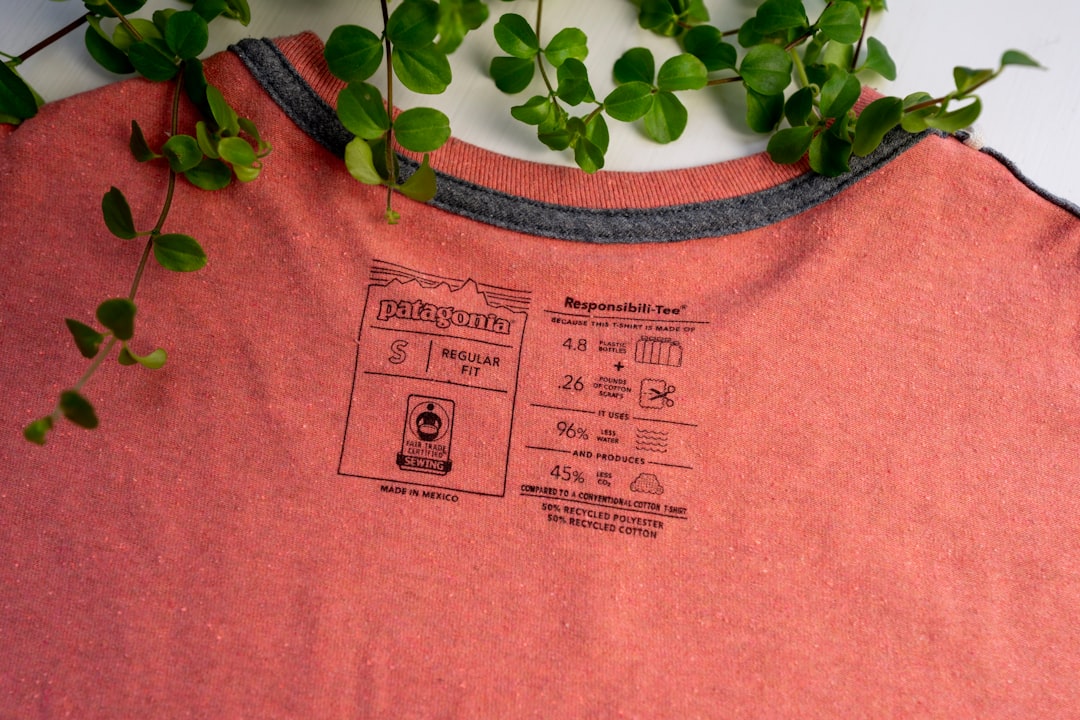
Recycled polyester is a prime example of how innovation can lead to eco-friendly fabrics. Instead of relying on virgin plastic, this material is made from repurposed plastic bottles and old garments. This reduces waste and energy usage compared to producing new polyester from scratch. Recycled polyester can mimic the properties of traditional polyester, providing durability and comfort, but with far less environmental impact.
5. Linen
Linen is often celebrated for its breathability and luxurious drape, but it also has sustainable credentials. Made from the flax plant, linen requires fewer resources to cultivate than other fibers—less water and fewer pesticides. It’s biodegradable too! Keep in mind that while linen garments often wrinkle more easily than cotton or synthetic fabrics, many people appreciate its relaxed and effortless vibe.
6. Piñatex
If you’re looking for an alternative to leather, consider Piñatex, a sustainable textile made from the fibers of pineapple leaves. Not only does this fabric help reduce waste in the pineapple farming industry, but it also provides farmers with an additional source of income. Piñatex is breathable, lightweight, and has a unique texture that can add an intriguing twist to fashion pieces.
7. Econyl
Econyl is a recycled nylon fabric made from waste materials like old fishing nets and fabric scraps. The production of Econyl not only keeps plastic waste out of landfills and oceans but also requires significantly less energy than making virgin nylon. Many swimwear and athleisure brands are adopting Econyl for its performance qualities and reduced environmental impact.
How to Spot Sustainable Fabrics
Knowing the best sustainable fabrics for eco-friendly fashion is one thing, but how do you spot them when shopping? Here are some tips to keep in mind:
- Look for Certifications: Certifications such as GOTS (Global Organic Textile Standard) for organic materials or OEKO-TEX for safety can provide assurance about a fabric’s sustainability.
- Check Composition Labels: Always check the clothing tag. Certain materials, like those listed above, are clear indicators of eco-friendliness.
- Consider Brand Practices: Research the brand’s commitment to sustainability. Brands that prioritize ethical and sustainable practices often communicate their efforts on their websites.
The Role of Eco-Friendly Fabrics in Sustainable Fashion
In the broader context of sustainable fashion, the role of eco-friendly fabrics is vital. Quality matters more than quantity; investing in pieces made from sustainable materials promotes a culture of thoughtful consumption. Rather than chasing trends, we can prioritize timeless styles made from the best sustainable fabrics for eco-friendly fashion.
Styling Eco-Friendly Fabrics
So, how do you incorporate eco-friendly fabrics into your wardrobe without sacrificing style? Here are a few ideas:
- Mix and Match: Blend sustainable fabrics with your current wardrobe. Pair a Tencel shirt with your favorite jeans for a chic yet conscious outfit.
- Layer Up: Use linen or hemp as base layers for added texture and comfort in cooler weather.
- Accessorize Mindfully: Look for bags, shoes, and belts made from sustainable materials like Piñatex or recycled fabrics to complete your look.
Final Thoughts: The Future of Fashion
The conversation around fashion is shifting, and sustainable practices are no longer just an option; they are becoming essential. The best sustainable fabrics for eco-friendly fashion offer us the chance to express our style while making conscientious choices that benefit our planet. By selecting clothing made from eco-friendly fabrics, we’re not just supporting a trend but participating in a movement that prioritizes the health of the environment. Each piece you choose tells a story—one of care, sustainability, and creativity. So, the next time you’re shopping, remember that your choices can contribute to a brighter, greener future for fashion.