Ever tried binge-watching your favorite series only to be interrupted by buffering? Or perhaps you’ve been in the middle of an important video call when your internet decided to freeze up? These frustrating moments can often be traced back to one common problem: a sluggish Wi-Fi network. If you’re looking to optimize your home Wi-Fi network speed, you’re in the right place. Let’s tackle this issue together and ensure your home network is working as efficiently as possible.
Understanding Your Wi-Fi Environment
Before jumping into the nitty-gritty of boosting your internet speed, it’s crucial to understand the core of the issue. Many people overlook their Wi-Fi environment, thinking it’s just the router that matters. But the truth is, several factors impact your Wi-Fi performance, which can lead to reduced speeds.
Your Wi-Fi network operates on certain frequencies, which can be affected by various external elements, from physical obstructions like walls to electronic devices interfering with the signal. It’s like trying to start a band in a noisy café—sometimes you must find the right spot to play without distractions!
1. Choose the Right Router
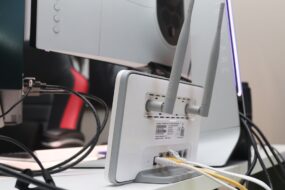
If your goal is to improve Wi-Fi performance, one of the first things to consider is your router. Not all routers are created equal, and the right choice can make a world of difference.
Many people stick with the router their Internet Service Provider (ISP) gives them, but investing in a higher-quality router can significantly enhance your Wi-Fi capabilities. Look for one that supports the latest Wi-Fi standards, like Wi-Fi 5 or Wi-Fi 6. Not only do these routers offer faster speeds, but they also handle more devices simultaneously without lag.
2. Placement Matters
You’ve probably heard that the position of your router is essential for optimizing your home Wi-Fi network speed. But how much difference can it really make? In my experience, it’s crucial. Place your router in a central location in your home, away from obstructions like thick walls or big appliances, which can muffle the signal. The higher, the better! If you can elevate it on a shelf or mount it on a wall, do it.
- Avoid corners: Don’t tuck that router away in a corner. It needs to radiate its signal freely.
- Keep it clear: Surrounding it with clutter, like books and boxes, can hinder its performance.
3. Upgrade Your Internet Plan
This may seem like the obvious route, but many people don’t realize that their internet plan might not be providing enough speed for their needs. If you’re frequently experiencing lags or slowdowns while streaming, gaming, or working from home, it might be worth checking in with your ISP.
Look into what speeds you’re currently paying for and compare them with what you actually need. Remember, the more devices connected to your network, the more bandwidth you’ll require. It’s all about finding that sweet spot.
4. Secure Your Network
Another common pitfall when trying to boost home internet speed is overlooking network security. An unsecured network is an open invitation for neighbors or even strangers to connect to your Wi-Fi, which can slow down your connection dramatically.
Change your Wi-Fi password regularly and use strong passwords that are hard to guess. You can also hide your network name (SSID)—this way, only people who know it can connect, reducing the chance of unwanted guests.
5. Limit Connected Devices
When you have multiple devices hogging the bandwidth, it can lead to significant slowdowns. Think of your network as a highway: the more cars (devices) you have on it, the slower the overall flow of traffic becomes.
Try these tips to manage device connections better:
- Disconnect unused devices: If your family has a lot of devices connected—think smartphones, tablets, laptops—ensure unnecessary ones are disconnected when not in use.
- No streaming while gaming: If someone’s streaming a movie while you’re trying to game, consider a conversation about prioritizing activities.
6. Reduce Wi-Fi Congestion
Wi-Fi congestion is another factor that many people forget about when looking to optimize your home Wi-Fi network speed. If you’re in a densely populated area, your Wi-Fi might be competing with numerous other networks. This can lead to serious speed issues.
To combat this:
- Change your Wi-Fi channel: Most routers operate on auto-settings, which can lead to interference from nearby networks. Check your router settings and try switching to a less congested channel.
- Use dual-band features: If you have a dual-band router, consider splitting your devices between the 2.4 GHz and 5 GHz bands. The 5 GHz band is usually less crowded and can handle higher speeds over shorter distances.
7. Keep Firmware Updated
Just like your smartphone or computer, your router needs regular updates to function at its best. Many people forget about this aspect entirely. Check the manufacturer’s website or your router’s admin interface for any firmware updates. These often fix bugs, improve performance, and even introduce new features.
In my experience, this simple task can save a lot of frustration. It’s easy to overlook, but taking a few moments to ensure your firmware is up to date can lead to significant benefits.
8. Invest in Wi-Fi Extenders or Mesh Systems
If you’ve tried everything and still feel that your home Wi-Fi is lacking, it might be time to consider adding some hardware. Wi-Fi extenders can help amplify the signal in those hard-to-reach areas of your home, while mesh systems can provide consistent coverage across larger spaces.
Here’s a breakdown of your options:
- Wi-Fi extenders: These devices bridge the gap between your router and your dead spots, boosting the signal into those areas where it previously struggled.
- Mesh Wi-Fi systems: These are excellent for larger homes or those with thick walls. Instead of relying on one router, a mesh system uses multiple units to blanket your home in Wi-Fi.
Conclusion
To optimize your home Wi-Fi network speed, you don’t need to be a tech whiz. By understanding the fundamentals and making simple adjustments, you can greatly enhance your internet experience. Nobody enjoys lagging connections, and a few tweaks here and there can transform your frustration into fast streaming and smooth gaming sessions.
Take the time to assess your equipment, placements, and security. Put the tips in this guide to work, and soon enough, you’ll be soaring through your online activities without a hitch. Remember, your network’s health and performance are essential for a happy digital life. Make those changes, and enjoy the bandwidth!