Picture this: You walk into your home after a long day. You don’t have to touch a single switch or button to get settled in. The lights automatically adjust to a warm hue, your favorite playlist starts playing softly in the background, and the thermostat has already set the perfect temperature. Sounds nice, doesn’t it? This is the reality of a well-set-up smart home automation system, and it might be easier to achieve than you think.
Understanding Smart Home Automation
Before diving into how to set up a smart home automation system, it’s important to understand what it actually is. At its core, smart home automation refers to a system where you can control various devices in your home through the internet. From lights and security cameras to thermostats and appliances, these smart home devices can be managed remotely, usually via a smartphone app or voice command. It’s all about making everyday routines easier and more efficient.
Choosing Your Smart Home Devices
One of the first steps to set up a smart home automation system is selecting the right devices. There’s a plethora of options, which can be overwhelming. Here’s what most people get wrong: they choose devices that aren’t compatible with one another. Always research compatibility before making a purchase.
- Smart lighting: Brands like Philips Hue or LIFX let you change the color and brightness of your lights with ease.
- Thermostats: Smart thermostats, such as Nest or Ecobee, learn your habits and save you money on energy bills.
- Smart speakers: Devices like Amazon Echo or Google Nest not only act as speakers but also serve as hubs for controlling other smart devices.
- Security systems: Smart doorbells and cameras from Ring or Arlo help you monitor your home’s security.
- Smart outlets: These let you control any ordinary device from anywhere, making it a simple addition to your home automation setup.
No matter what devices you choose, make sure they work with your home’s Wi-Fi system. A weak connection can hinder their performance, making your experience less enjoyable.
Creating a Central Hub
Once you’ve chosen your smart home devices, the next step is setting up a central hub. This is where most users make a common misstep. While it might be tempting to rely solely on individual apps for each device, a dedicated hub can give you a cohesive experience.
Devices like Samsung SmartThings, Amazon Echo Plus, or Google Nest Hub act as a command center to manage your various smart home gadgets. In my experience, a hub simplifies control and creates a more intuitive user experience. Connecting everything to a central system allows you to automate tasks and monitor your home more effectively.
Establishing Your Smart Home Network
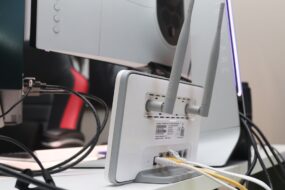
You can’t have a smart home without a reliable network. Wi-Fi is the backbone of your smart home automation system. A weak signal can result in device lag, connectivity issues, and ultimately, frustration. Here’s how to ensure your network is ready:
- Upgrade your router: If your home has dead zones where Wi-Fi barely reaches, consider upgrading to a mesh network that offers better coverage.
- Secure your network: Don’t overlook security; set strong passwords, and consider creating a separate guest network for guests to prevent them from intruding on your IoT home solutions.
- Limit interference: Keep your router away from walls, metal objects, and electronic devices that can disrupt the signal.
Investing in a good wireless setup can make or break your smart home experience. The last thing you want is to be juggling various devices that won’t respond because of connectivity issues.
Automating Your Daily Routines
One of the most exciting aspects of smart home automation is the ability to automate daily routines. Think about your typical day: When do you wake up? What time do you leave for work? By setting schedules for your devices, you can simplify your life significantly. Here’s how to get started:
- Mornings: Program your smart coffee maker to brew coffee before you wake up, and sync your smart lights to slowly brighten your room at a set time.
- Leaving home: Set your security system to activate when you leave, while smart plugs turn off unnecessary devices.
- Evenings: Automate your thermostat to lower the temperature and schedule your lights to turn on at sunset for a cozy atmosphere.
Many apps associated with your smart home devices will allow you to create scenes or routines that execute multiple actions with a single command. This can make your life more comfortable and save you time.
Voice Control: The Ultimate Convenience
Voice assistants like Alexa, Google Assistant, and Siri can take your smart home device management to the next level. If you’ve ever wanted to turn on the lights, adjust the thermostat, or play music without lifting a finger, voice control is the ideal solution.
Here’s a tip: Ensure that your devices are compatible with your chosen voice assistant. For instance, if you opt for Alexa, select smart home devices that integrate seamlessly with Amazon’s ecosystem.
Incorporating voice control doesn’t just make your home smarter; it adds convenience, especially for tasks when your hands are full. Imagine setting the mood for your family movie night just by saying, “Alexa, movie time!”
Security in Smart Home Automation
With great connectivity comes great responsibility. The more devices you add to your network, the more vulnerable your home could become. Ensuring your smart home setup is secure is crucial. Here’s how to fortify your home against cyber threats:
- Regular updates: Keep your devices updated to the latest firmware to protect against vulnerabilities.
- Strong passwords: Use complex passwords for your devices and Wi-Fi network, and consider enabling two-factor authentication for added security.
- Security cameras: Implement smart cameras to keep an eye on your property; set alerts for unauthorized movements.
Establishing strong security measures may seem tedious, but it’s worth it. The potential risks of compromised security can outweigh the convenience of automation.
Scalability: Growing Your Smart Home
One of the best parts of setting up a smart home automation system is that it’s never too late to expand. Whether you want to add more smart home devices or automate new tasks, your system can evolve with your needs. Start small; add a few devices and see how you like the experience before investing in more.
In my experience, it’s easy to go overboard and end up with devices that don’t interact well with one another. Stick to your preferences and expand gradually. The beauty of smart home technology is that it can change as your lifestyle needs evolve.
Conclusion: Your Smart Home Awaits
Setting up a smart home automation system isn’t just about the latest tech; it’s about making life easier and more enjoyable. By correctly choosing your devices, setting up a central hub, and carefully considering security, you can enjoy the convenience and comfort that smart homes offer.
Ultimately, whether you’re starting from scratch or simply enhancing your existing setup, remember that the goal is to develop a system that complements your lifestyle. You’ve got this, and soon enough, your home will be smarter than you ever imagined!