Picture this: it’s Friday evening, and you’re all set for a marathon gaming session with your friends. You’ve got your snacks ready, the lights dimmed, and the drinks flowing. But just as the action heats up, your internet connection starts acting up. Lag, rubber-banding, and disconnection threaten to ruin your experience. Sounds familiar? You’re not alone. Many gamers face frustration from their home Wi-Fi networks, often overlooking simple fixes that could enhance their setup. Let’s dive into some strategies to optimize your home Wi-Fi network for gaming, and get you back in the virtual arena.
Understanding the Importance of Wi-Fi for Gaming
Wi-Fi plays a crucial role in modern gaming. Unlike single-player experiences where you might not notice network issues, multiplayer games demand a stable connection. You need fast responses, low latency, and minimal interruptions. In my experience, gamers often don’t realize how much their Wi-Fi affects their performance until they face lag during a critical moment. Before you start tweaking settings, let’s take a closer look at what makes Wi-Fi essential for a solid gaming setup.
Latency vs. Speed: What You Need to Know
When we talk about the internet, speed often comes to mind first. But in the gaming world, latency—or ping—is just as vital, if not more so. Speed refers to how fast data is transferred, while latency measures how quickly a signal travels between your console or PC and the gaming server. Ideally, you want low latency and decent speed. If you want to improve internet speed for gaming, both factors should be on your radar.
Wi-Fi Optimization Tips
Now that you understand the basics, let’s get into some practical, proven optimization tips to ensure that your gaming experience is smooth and enjoyable.
1. Choose the Right Router
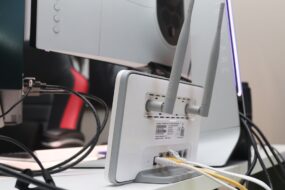
Your router is the cornerstone of your home network. Investing in a quality gaming router can make a big difference. Look for features specifically designed for gaming, like Quality of Service (QoS) settings, which prioritize gaming traffic over other types of data. Dual-band routers are also a wise choice; they offer both 2.4 GHz and 5 GHz bands, allowing you to connect your gaming device to the less crowded 5 GHz band for better performance.
2. Positioning Your Router
Router placement can make or break your connection quality. Make sure it’s positioned in a central location in your home, ideally elevated and unobstructed. Avoid placing it near walls, corners, or electronic devices that can cause interference. In general, the more direct the line of sight from your gaming setup to the router, the better.
3. Reduce Interference
Other electronic devices can interfere with your Wi-Fi signal. Things like microwaves, cordless phones, and even your neighbor’s Wi-Fi network can impact your connection. If your router has the option, try switching to a less congested channel within the 2.4 GHz band. It might require some experimenting, but it can improve your overall performance.
Wired vs. Wireless: The Great Debate
When optimizing your home Wi-Fi network for gaming, it’s essential to weigh the pros and cons of wired versus wireless connections. While Wi-Fi offers convenience, a wired connection via an Ethernet cable often provides more stability and faster speeds.
Benefits of Going Wired
- Reduced Latency: Cables offer a direct line to your router, meaning data travels faster and with less interference.
- Consistent Speed: Wi-Fi is subject to fluctuations in speed, but a wired connection maintains stable performance.
- No Interference: With a wired connection, you won’t have to worry about other devices causing interruptions.
In my experience, gamers who make the switch to a wired connection often notice an immediate improvement in their game performance. However, if you prefer gaming wirelessly, don’t worry; there are still steps you can take to optimize your home Wi-Fi network for gaming.
Network Configuration Settings
When’s the last time you looked at your router’s settings? Many gamers don’t realize they can optimize their network configuration for better performance. Here are some key settings to check:
1. Enable QoS Settings
If your router supports Quality of Service, enable it! QoS allows you to prioritize gaming traffic over other activities, ensuring that when you’re deep into a gaming session, video streaming or downloads won’t slow you down.
2. Update Firmware Regularly
Router manufacturers often release firmware updates to improve performance and security. Make a habit of checking for and applying updates. An updated router can lead to enhanced performance or even new features that could benefit your gaming setup.
3. Create a Guest Network
If you share your Wi-Fi with others, it’s a good idea to set up a guest network. Isolating your gaming devices from other users reduces potential interference and allows you to maintain more control over your bandwidth.
Bandwidth Management
Managing your bandwidth effectively is another critical aspect of optimizing your home Wi-Fi network for gaming. Your household might be involved in multiple activities simultaneously that consume bandwidth.
1. Monitor Device Usage
Keep track of which devices are connected to your network and what they’re doing. Streaming or large downloads can slow your connection significantly. Consider scheduling heavy usage for times when you’re not gaming to avoid interruptions.
2. Limit Background Applications
Close any unnecessary applications or downloads on your gaming device when playing. This minimizes the load on your connection and helps maintain smooth gameplay. You might find that a small tweak like this can significantly improve your gaming experience.
Using Third-Party Tools
There are several third-party tools available that can help you manage and optimize your home Wi-Fi network for gaming effectively:
- Ping Testers: Use tools to test your ping to different servers and monitor latency.
- Network Scanners: These can help identify unwanted devices connected to your network, enabling you to take control.
- Bandwidth Monitors: Keep an eye on what’s hogging your bandwidth, allowing you to take action when it’s needed.
Final Thoughts
Optimizing your home Wi-Fi network for gaming won’t happen overnight, but implementing these strategies can lead to significant performance improvements. From choosing the right router to adjusting your network settings, there’s plenty you can do to enhance your gaming setup.
Here’s what most people get wrong: they assume a faster internet plan alone will solve their problems. They overlook that home network optimization is equally essential. So, take the time to adjust, test, and monitor your setup to find what works best for you.
In the end, it all comes down to your gaming experience. By making your home Wi-Fi network more efficient and reliable, you can enjoy those late-night gaming marathons without the dreaded interruptions. So gear up, dive into those settings, and get ready to conquer your next game!