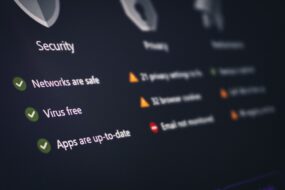
Imagine this: you walk into your living room, ready to binge-watch your favorite series, but your Wi-Fi is acting up. You check your devices and realize that strangers are connected to your home network. Sounds terrifying, right? With the increase in smart devices and the convenience of online living, it’s crucial to secure your home network from cyber attacks. If you don’t, you might be opening your doors to unwanted intruders.
Why You Need to Secure Your Home Network
Home networks are like the fortresses of our digital lives. They connect us to everything, from streaming services to online banking. Unfortunately, with convenience comes vulnerability. According to recent studies, a significant percentage of households don’t take necessary security steps, leaving their networks wide open for cybercriminals.
So why should you care? For starters, a compromised network can lead to more than just internet issues; it can expose your personal information, financial data, and even your identity. In my experience, most people underestimate the risks until it’s too late. Here’s what you need to know to prevent that from happening.
Home Network Security Tips
Securing your home network from cyber attacks doesn’t require you to become a tech genius overnight. Here are some straightforward home network security tips that anyone can implement:
- Change Default Passwords: This is the first thing you should do after setting up a new device. Most devices come with a standard default username and password that’s easy for attackers to find. So change them to something strong and unique.
- Enable Encryption: Ensure that your Wi-Fi is using WPA3 or WPA2 encryption. This makes it significantly harder for outsiders to access your network.
- Update Your Firmware: Manufacturers often release updates to fix known vulnerabilities. Regularly updating your firmware can help prevent hackers from exploiting these weaknesses.
- Create a Guest Network: If you frequently have visitors, consider setting up a separate guest network. This keeps your primary network more secure and limits access to your personal devices.
Protecting Home Wi-Fi
Wi-Fi is the backbone of most modern homes, but it can also be the weak link if not properly secured. Here are a few techniques to protect home Wi-Fi:
- Disable SSID Broadcasting: When you hide your network name (SSID), it becomes invisible to outsiders. While this isn’t foolproof, it adds an extra layer of protection.
- Use a Strong Wi-Fi Password: Create a complex password that includes letters (both uppercase and lowercase), numbers, and symbols. Avoid common phrases or easily guessed passwords.
- Limit MAC Address Filtering: Allow only specific devices to connect to your network by using MAC address filtering. This way, even if someone knows your password, they won’t be able to connect unless their device is on the approved list.
Preventing Cyber Attacks with Smart Home Devices
Smart home devices can add convenience, but they also pose unique challenges to network security. Here’s how to prevent cyber attacks specifically related to these devices:
- Research Before Buying: Not all smart devices are created equal. Check reviews and security features before making a purchase. Some devices are notorious for their lack of security.
- Change Default Credentials: Just like your router, smart devices come with default usernames and passwords. Change them immediately upon setup to avoid easy access by hackers.
- Regularly Review Connected Devices: Keep an eye on what devices are connected to your network. If you see something unfamiliar, investigate further.
The Importance of Firewalls
Firewalls act as a barrier between your home network and the outside world. They’re essential in securing your home network from cyber attacks. Here’s how you can make the most of them:
- Use a Router with Built-in Firewall: Many modern routers come with built-in firewalls to block unauthorized traffic. Make sure this feature is enabled.
- Install Software Firewalls: On computers and devices that connect to your network, consider adding software firewalls for an extra layer of security.
Regular Monitoring and Maintenance
The battle against cyber attacks doesn’t stop once you secure your home network. Ongoing monitoring and maintenance are equally important. Here are a few ways to stay on top of your network health:
- Monitor Your Network Traffic: Use apps or built-in router features to monitor network traffic. Unusual spikes can indicate unauthorized access.
- Periodic Security Audits: Set aside time every few months to review your network settings and security measures. It’s good practice to re-evaluate your defenses.
Common Misconceptions About Home Network Security
There are plenty of myths out there about securing your home network. Here’s what most people get wrong:
- “I’m Not Important Enough to Be Targeted.” Many believe they won’t be a target for cybercriminals. However, hackers often focus on the numbers and exploit little vulnerabilities here and there.
- “Antivirus Software is Enough.” While antivirus software is crucial, it won’t protect your network on its own. A multifaceted approach is necessary for true security.
- “Password Managers are Unnecessary.” Actually, using a password manager can help generate and store complex passwords, making it easier to manage your passwords without sacrificing security.
Conclusion
Securing your home network from cyber attacks is not just an option; it’s a necessity in today’s connected world. By implementing these home network security tips and staying vigilant, you can protect not just your data but your peace of mind as well. Don’t wait for an attack to happen before you take action. Start today, and ensure your digital life remains securely locked away from intruders.
Remember, the effort you put into securing your home network is worth it. It helps protect your beloved family photos, financial experiences, and even your privacy. Invest the time in securing your home network—you won’t regret it!