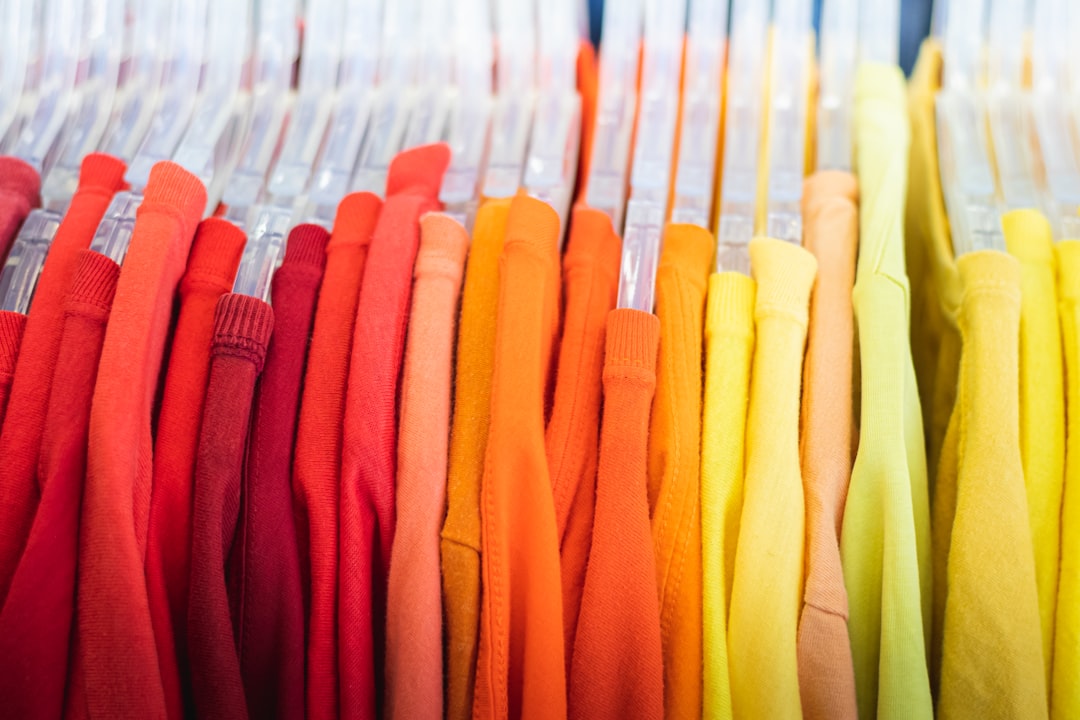
Imagine this: you stand in front of a closet bursting with clothes, yet you feel like you have nothing to wear. Does this scenario sound familiar? Choosing the right color palette for your wardrobe can make a world of difference in how you feel about your clothes and how they reflect your personality. So, how do you get it right? Let’s explore all the ins and outs of building a wardrobe that speaks to your style.
Understanding Color Theory in Fashion
To figure out how to choose a color palette for your wardrobe, you first need to dip your toes into color theory fashion. Color theory isn’t just for artists; it’s a way to understand how colors interact and how they can influence our moods and perceptions. Every color comes with its own set of emotions and associations.
For example, blue often conveys calmness, while red can be energizing. By grasping these emotional connections, you can start to select colors that not only flatter your complexion but also make you feel a certain way. Here’s a quick rundown of some basic color associations:
- Red: Passion, energy, boldness
- Blue: Calm, trust, professionalism
- Green: Growth, harmony, freshness
- Yellow: Happiness, positivity, attention-grabbing
- Purple: Creativity, luxury, wisdom
- Black: Elegance, power, sophistication
Assessing Your Skin Tone
When you’re figuring out how to choose a color palette for your wardrobe, it’s crucial to consider your skin tone. Colors that look fabulous on one person may wash out another. In my experience, the best way to determine your skin tone is by examining the veins on your wrist. If they appear blue, you’re likely cool-toned, while greenish veins suggest a warm tone. Those with neutral tones can often wear both cool and warm colors.
For cool-toned individuals, colors like jewel tones—emerald, sapphire, and amethyst—are likely to be flattering. If you have warm undertones, earthy colors—think terracotta, mustard, and olive—can enhance your natural glow.
Determine Your Personal Style
Next up is your personal style. Do you lean more toward the chic, minimalist aesthetic, or are you drawn to bohemian vibes? Understanding your personal style will help you make decisions when considering wardrobe color matching. Take some time to reflect on what styles resonate with you.
Some questions to ask yourself:
- What clothes do I wear most often?
- Which outfits make me feel the most confident?
- Am I drawn to bold, bright colors or soft, muted tones?
Building a Core Color Palette
Once you’ve grasped color theory and assessed your skin tone and style, it’s time to start building a core color palette for your wardrobe. A typical approach is to choose a combination of base colors, accent colors, and maybe even a couple of “wild card” colors for those days when you want to step outside your comfort zone.
A well-rounded core palette might include:
- Base Colors: These are neutral tones that can serve as the backbone of your wardrobe. Think black, white, gray, and navy.
- Accent Colors: These add pop and interest to your outfits. Choose colors that complement your base colors but also express your personality—perhaps a sunny yellow or a rich burgundy.
- Wild Card Colors: These are the fun shades you wouldn’t necessarily wear every day but enjoy having on hand—like a vibrant pink or a deep teal.
Creating Outfits with Wardrobe Color Matching
Now that you have your palette, let’s get into the nitty-gritty of wardrobe color matching to create outfits that flow effortlessly. An effective method is the 60-30-10 rule. This rule states that 60% of your outfit should be your base color, 30% should be your accent color, and 10% can be your wild card or statement piece.
For example, imagine a classic outfit: a black skirt (60%), a bright yellow blouse (30%), and a pair of statement earrings in a fun print (10%). You’d not only look put together, but you’d also feel confident in the color balance.
Adapting for Seasonality
Fashion isn’t static, and neither should your color palette be. As seasons change, so can your colors! In the summer, you might lean toward light, airy hues like pastel pinks or sky blues, while fall could have you embracing deeper, richer colors such as burnt orange and navy blue. Here’s how you can adapt your wardrobe color matching:
- Summer: Embrace light, vibrant colors that reflect the season. Think bright whites and cheerful yellows.
- Fall: Channel the warm colors of autumn. Rich reds, oranges, and deep greens fit perfectly.
- Winter: Feel free to explore jewel tones and earth colors that add depth to colder months.
- Spring: Light colors enter the scene again—floral prints can become your best friend!
Keeping It Cohesive
When building your wardrobe, it’s vital to keep your color palette cohesive. Here’s what most people get wrong: they often buy items that catch their eye without considering how they’ll integrate into their existing wardrobe. Take a moment to ask yourself if the color you’re drawn to aligns with your established palette before making a purchase.
To maintain a cohesive look, consider keeping a swatch or color card with you while shopping. It can serve as a quick reference to help you avoid impulse buys that could derail your carefully curated wardrobe.
Tips for Experimenting with Color
Finally, while it’s great to have a core color palette, don’t be afraid to experiment! Fashion is about self-expression. Here are some style color tips to get you started:
- Mix Neutrals: Neutrals don’t have to be boring. Play with different textures and shades to create a dynamic outfit.
- Try Unexpected Combos: Some colors that might seem like an odd pairing can create a stunning effect. Think orange and pink, or blue and green.
- Accessorize Wisely: Accessories are a great way to introduce new colors into your outfit without committing fully.
Bringing It All Together
So, how to choose a color palette for your wardrobe? It comes down to understanding color theory fashion, assessing your skin tone, determining your personal style, and building a core color palette that not only reflects who you are but also adapts to the seasons. With a little practice, you’ll become a pro at wardrobing color matching.
In summary, don’t let your closet overwhelm you. Instead, embrace the power of color and let it guide you in creating outfits that resonate with your personal style. Happy styling!