As the leaves change color and the air turns crisp, fashion lovers everywhere start asking themselves a familiar question: how do I transition my wardrobe for the seasonal shift? It’s not just a matter of swapping out summer shorts for winter coats; it’s an art that combines style, comfort, and a touch of creativity.
Many people struggle with effectively transitioning their wardrobe. What works in one season often doesn’t quite suit another, and the sheer volume of clothing options can feel overwhelming. Don’t worry! I’m here to share some practical tips on this important topic, so you can usher in the new season looking fabulous and feeling confident.
Understand the Basics of Seasonal Transition
First things first: before diving into your closet, it’s crucial to understand the basics of how to transition your wardrobe. Consider the climate in your area, the colors that trend this season, and your personal style. Each season has its own vibe — fall brings cozy knits and warm colors, while spring calls for light fabrics and pastels.
Start by evaluating your current wardrobe. What pieces do you love? What’s been collecting dust? This evaluation is key to determining what essentials you need to add or remove. In my experience, many people get it wrong by hanging onto items they really won’t wear again. So, don’t hesitate to declutter!
Wardrobe Essentials for Each Season
Now that you’ve sorted through your clothing, let’s talk wardrobe essentials for each season. These are the foundational pieces that can get you through changing weather without a hitch.
- Spring: Think light layers. A versatile trench coat, floral blouses, and classic denim can easily transition from chilly mornings to warmer afternoons.
- Summer: Focus on breathable fabrics. Maxi dresses, shorts in light materials, and easy-going sandals will keep you cool and comfortable.
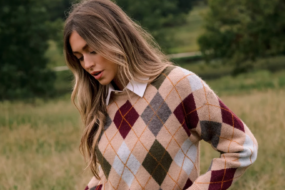
- Fall: Embrace layers again with cozy sweaters, scarves, and ankle boots. Don’t forget to incorporate earthy tones that reflect the season.
- Winter: Invest in quality outerwear. A good coat, heavy knits, and durable boots will not only keep you warm but also stylish.
Each of these essentials can effortlessly mix and match with other pieces in your wardrobe, giving you countless outfit options throughout the season.
Color Trends and Seasonal Wardrobe
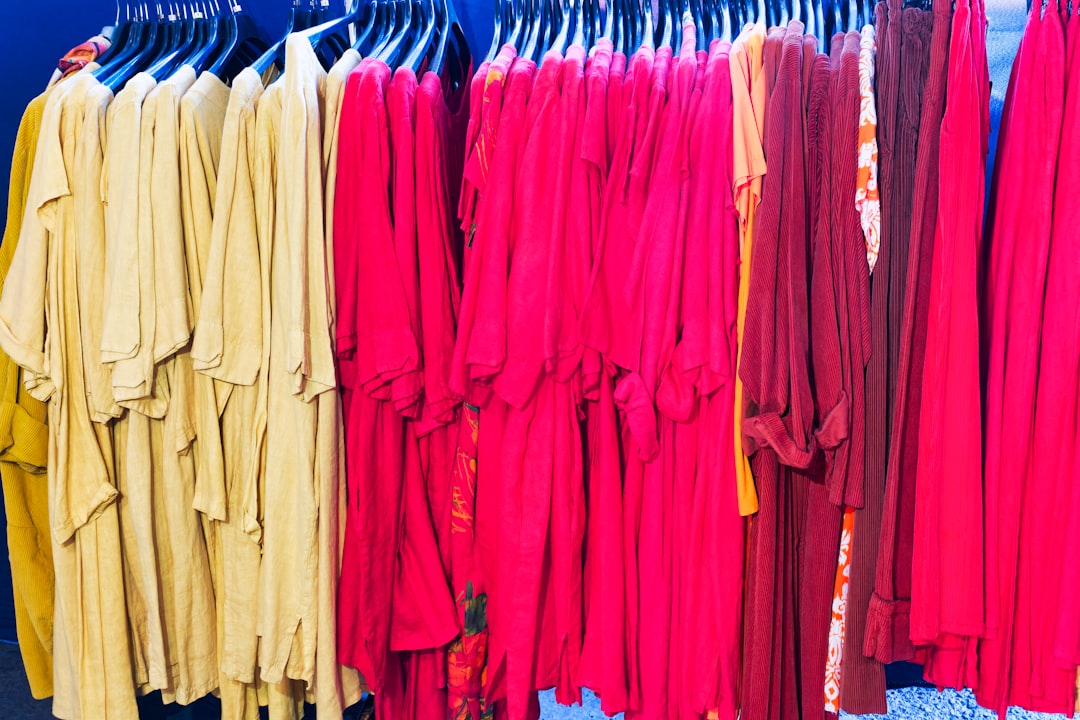
Colors play a significant role in how to transition your wardrobe. Each season brings its own palette to the forefront. As nature changes, it’s only fitting that our outfits reflect that transformation.
For fall, savor deep oranges, rich burgundies, and shades of green. Winter tends to favor cool colors, so don’t shy away from blues and whites. Spring often showcases light pastels and bright hues, while summer celebrates vibrant colors and bold prints. By focusing on each season’s colors, you’ll feel more in tune with your surroundings.
Layering Techniques for Every Season
Layering is one of the most effective strategies when learning how to transition your wardrobe. It not only keeps you comfortable amidst fluctuating temperatures but also adds depth to your outfit.
For spring and fall, try pairing a lightweight turtleneck under a dress or layering a cardigan over a blouse. This way, you can take off a layer if it gets too warm or cozy up if it’s chilly. During the hotter months, you might not think about layering much, but light cardigans or kimonos can be great for keeping warm in air-conditioned spaces. In winter, layering thermal tops under sweaters and adding a stylish scarf keeps the cold at bay while looking chic.
Accessorizing for Seasonal Changes
Accessories can make or break an outfit. When considering how to transition your wardrobe, don’t underestimate the power of seasonal accessories!
Spring and summer call for more delicate jewelry and lighter fabrics in handbags. Think floral prints and pastel colors. As for fall and winter, heavier materials and layered jewelry become quite the trend. Scarves, gloves, and hats not only keep you warm but also act as statement pieces!
Footwear for the Seasons
Your choice of footwear can dramatically impact your comfort and style, making it essential to choose wisely when transitioning your wardrobe. During warmer months, opt for sandals and breathable shoes. As the temperature drops, think about ankle boots and cozy sneakers.
One thing I’ve noticed is that people often skimp on footwear. A good pair of boots can last you several seasons, so investing in quality can pay off in style and comfort. Look for versatile colors that can pair with multiple outfits, making it easier to mix and match throughout the season.
Building a Transitional Capsule Wardrobe
If you’re looking for a more calculated approach, consider building a capsule wardrobe for each season. This concept revolves around selecting a limited number of clothing items that you absolutely love and can mix and match with ease.
Start by choosing a base color and a couple of accent colors for the season. Aim for essential pieces that can create numerous outfits, like a simple dress or tailored trousers. Tip: classic styles tend to hold their value longer, both in terms of money and time spent in your closet.
Final Thoughts: Transitioning with Confidence
Transitioning your wardrobe doesn’t have to be a daunting task. By understanding the basics, identifying your essentials, and curating a seasonal style guide for seasons, you’ll be ready for whatever Mother Nature throws your way. Remember, style is personal, and it should be a reflection of who you are — so enjoy the process!
Next time you ask yourself how to transition your wardrobe, keep these tips in mind. With a little thought and planning, you can create a wardrobe that’s not only stylish but incredibly functional for any season.
And remember, fashion should be fun! Don’t hesitate to experiment with colors, styles, and textures. After all, life’s too short for a boring wardrobe!