The air begins to cool, but the sun still has its moments of warmth. You step outside and wonder: what on earth should I wear? Transitional weather can be tricky. One minute, you’re feeling like you need a warm scarf; the next, you’re regretting that heavy jacket. So, how to dress for transitional weather like a pro?
Most of us can agree that transitional weather outfits can be a bit of a fashion puzzle. You don’t want to freeze or sweat through your clothes, and yet it’s all too easy to fall into the trap of wearing the same old stuff. Here, I’ll share seasonal fashion tips and layering techniques that can help you master the art of dressing for this awkward in-between phase.
Understanding Transitional Weather
First things first, let’s talk about what transitional weather really means. Typically, it spans the months between seasons, mainly spring and fall. The mornings are crisp, the afternoons can get surprisingly warm, and the evenings often call for a light jacket. You’ll find yourself constantly peeling off and throwing on layers throughout the day, so the key is to have the right pieces to work with.
Master Your Layers: The Key to Comfort
Layering is the name of the game when it comes to how to dress for transitional weather. In my experience, most people make the common mistake of going too heavy or too light when they layer. Here’s how to nail it:
- Base Layer: Start with a slim-fitting top. This could be a lightweight turtleneck or a classic tee. Look for fabrics that breathe, like cotton or merino wool, so you won’t overheat.
- Middle Layer: Next up, add a sweater or a light cardigan. Fabrics like cashmere and lightweight knits work well here. If it gets chilly, you can easily throw this layer off.
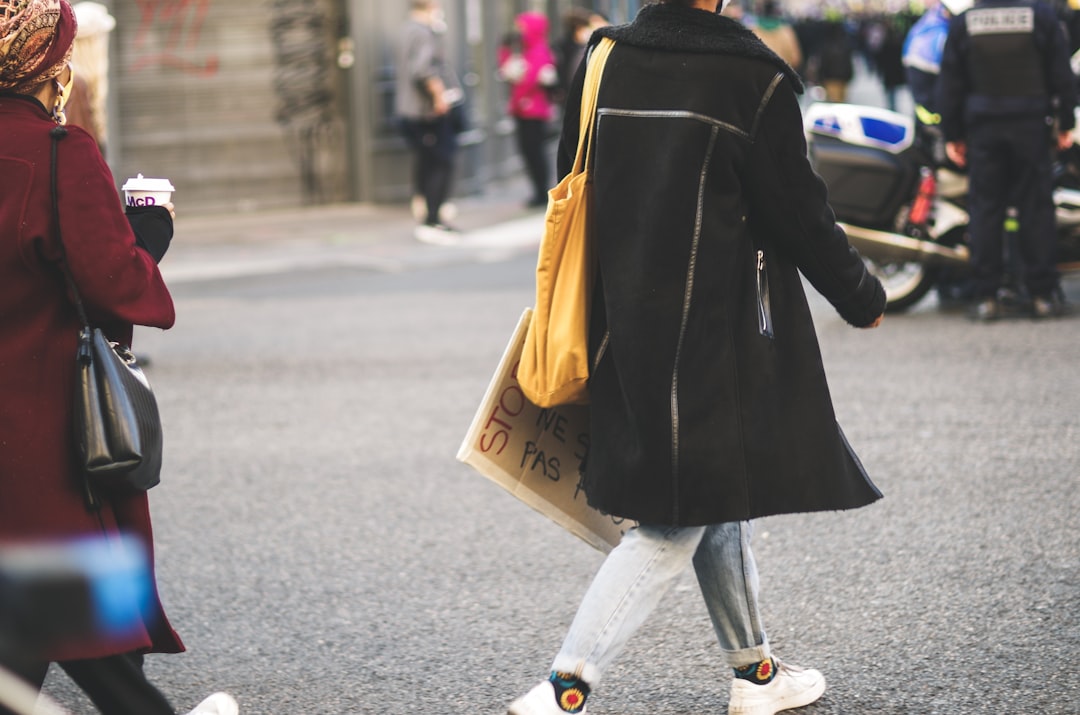
- Outer Layer: Finally, choose a versatile jacket. A denim jacket or a trench coat is stylish yet functional. Aim for neutral colors to complement various outfits.
Choose the Right Fabrics
When figuring out how to dress for transitional weather, fabric choice is paramount. Opt for breathable materials that have some stretch to them. Here are some fabrics that can help you make the right choices:
- Cotton: Breathable and versatile.
- Chambray: A lightweight alternative to denim, perfect for shirts and dresses.
- Modal: Great for flowing dresses and softer fabrics.
- Cashmere: A stylish option for layering that’s warm yet breathable.
- Leather: A classic choice that adds edge to your look while keeping the chill out.
Accessorize Smartly
Accessories are your best friends during transitional weather. Scarves, hats, and even changes in footwear can completely change your outfit. In my opinion, investing in a few good statement accessories can turn a simple outfit into something special. Here’s how to accessorize smartly:
- Scarves: Go for lightweight materials like silk or cotton to add a splash of color without overheating.
- Hats: A fedora or a lightweight beanie can add flair while keeping your head warm.
- Footwear: Ankle boots or loafers can transition from warm to cool effortlessly.
Don’t Overlook Your Bottoms
When considering transitional weather outfits, don’t forget about your bottoms. You’ll want options that can easily transition from warm to cool. Here’s what I suggest:
- Layered Skirts: Try a flowy midi skirt that can pair well with tights when it’s cool.
- Chinos or Slim Trousers: These options allow you to stay stylish while being comfortable and breathable.
- Jeans: A classic choice that works year-round; try lighter washes for spring and deeper tones for fall.
Finding the Right Colors
Color plays a big role in seasonal fashion tips, especially during transitional weather. When selecting your wardrobe, consider the seasonal palette. During the fall, think earthy tones—browns, burn oranges, and olives. For spring, lighter colors like pastels can elevate your look. Here’s how to choose the right colors:
- Neutrals: Always a safe bet; they pair well with almost anything.
- Accent Colors: Use pops of color through accessories to keep your look fresh.
- Patterns: Don’t be afraid of floral or plaid prints; they can add character and layer well.
Layering Techniques for Maximum Impact
Once you have your basics, let’s talk layering techniques. Here’s what most people get wrong: they think layering has to be bulky. It doesn’t! With some thoughtful layering, you can create chic looks that still feel light. Here are a few techniques:
- Play with Lengths: Try pairing a longer top with cropped layering pieces to create interesting silhouettes.
- Texture Mixing: Combine different fabrics like denim and cashmere to elevate your outfit.
- Color Blocking: Use contrasting colors to create a visually appealing outfit.
How to Transition Your Style as the Season Changes
As one season gives way to another, it’s essential to adapt your style. This doesn’t mean throwing out your entire wardrobe, but rather making small tweaks. Swap out your heavy knits for lighter ones; your boots for loafers; keep your trusty denim jacket but add a lighter scarf instead of a bulky one. Transitioning your style also means being mindful of what works for your body type and lifestyle.
Finally, remember to have fun with it! Fashion is a personal expression, and transitional weather outfits give you the opportunity to experiment without committing to a whole new wardrobe.
So, the next time someone asks how to dress for transitional weather, share your newfound knowledge. With the right layers, fabrics, and accessories, you’ll not just survive these tricky seasons—you’ll thrive! Whether you prefer stylish simplicity or vibrant layers, transitional weather can be an exciting time to express yourself through fashion.