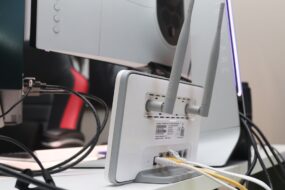
Ever find yourself in the middle of a streaming binge or an online game, when suddenly your Wi-Fi slows to a crawl? There’s nothing more frustrating than dealing with lag during your favorite show or losing a competitive edge in a game due to choppy internet. If you’re wondering how to optimize your home Wi-Fi network speed, you’re in good company. Many of us are struggling to keep up with the demands of modern technology in our homes. Let’s break down some effective strategies to not just cope, but really boost your internet connection.
Know Your Current Internet Speed
Before you jump into the optimization techniques, it’s wise to check your current internet speed. Websites like Speedtest.net can give you a clear picture of what you’re working with. This step is crucial for understanding what improvements can be made. If your speed is significantly lower than what you’re paying for, contacting your service provider might be your first course of action.
Choosing the Right Router
Finding a router that fits your specific needs can make a huge difference. Not every router is created equal, so here’s what to consider:
- Dual-Band vs. Tri-Band: Dual-band routers operate on both 2.4 GHz and 5 GHz frequencies, while tri-band ones add an additional 5 GHz band. If you have multiple devices, a tri-band router might be worthwhile.
- Range: Think about the size of your home. Larger spaces may require a router with a wider range or even additional access points to improve Wi-Fi coverage.
- MU-MIMO Support: This stands for Multi-User, Multi-Input, Multi-Output. Routers with MU-MIMO can serve multiple devices simultaneously, which is great for homes with heavy internet usage.
In my experience, investing in a quality router is one of the best steps you can take when looking to improve Wi-Fi speed.
Placement Matters
Have you ever thought about where you positioned your router? It’s one of the most overlooked aspects of Wi-Fi optimization. Here’s how to get it right:
- Central Location: Ideally, your router should be in a central spot in your home, away from walls or obstructions.
- Elevate It: Place your router on a shelf or high surface to maximize its range.
- Avoid Interference: Keep it away from electronic devices like microwaves or cordless phones that can interfere with the signal.
Most people make the mistake of tucking their routers away in cabinets, thinking they’ll be out of sight and out of mind. On the contrary, this can severely limit your Wi-Fi network’s optimization.
Update Your Firmware
Your router’s firmware is its operating system. Manufacturers often release updates that can fix bugs, enhance security, or even improve performance. Go into your router’s settings and check for updates regularly. It doesn’t take long, and it can lead to significant efficiency gains.
Switch to a Wired Connection
While Wi-Fi is incredibly convenient, there’s no denying that wired connections are generally faster and more stable. If you have devices that need consistent connectivity—like gaming consoles or work computers—consider running an Ethernet cable directly from your router to those devices. It can result in a noticeable difference in speed and lag times.
Limit Background Bandwidth Usage
Are others in your household hogging the bandwidth without realizing it? Streaming videos, large downloads, and online gaming all consume considerable bandwidth. You can manage this by:
- Monitoring Device Connections: Use your router’s interface to see which devices are connected and how much data they’re using.
- Setting Priorities: Many modern routers allow you to prioritize certain devices or applications. For instance, if you’re gaming, you can choose to give that device more bandwidth over others.
In my experience, getting everyone on the same page about internet usage can help you improve Wi-Fi speed and overall satisfaction.
Upgrade Your Internet Plan
Sometimes, the problem isn’t with your hardware or setup; it’s simply that your internet plan doesn’t meet your needs. If you find that you’re consistently struggling with speed, consider contacting your ISP about upgrading to a plan with higher speeds. They’ll often have options ranging from basic to high-speed packages, allowing you to choose what fits your household best.
Make Use of Quality of Service (QoS) Features
If your router has QoS settings, it’s worth exploring them. QoS allows you to prioritize traffic for specific activities, improving your experience significantly for things like gaming or streaming. While setting it up might feel a bit technical, there are numerous online resources that can guide you through the process.
Consider Mesh Wi-Fi Systems
If you live in a larger home or struggle with dead spots, investing in a mesh Wi-Fi system might be the best way to optimize your home Wi-Fi network speed. Mesh networks utilize multiple units that work together to provide robust coverage throughout your space. They’re especially helpful in eliminating dead zones where Wi-Fi drops out or feels weak.
Regularly Restart Your Router
It might sound simple, but regularly restarting your router can really work wonders. It clears memory, refreshes connections, and can help solve minor connectivity issues that can crop up over time. Set a reminder to restart it weekly, and you might notice a positive difference.
The Importance of Security
Lastly, don’t forget that the security of your network plays an integral role in optimizing your Wi-Fi speed. If your connection is unsecured, unwanted guests could be leeching off your bandwidth without you knowing. Here’s what you should do:
- Change Default Passwords: Make sure to change the default router login to something unique.
- Use WPA3 Security: If your router supports it, use WPA3 for enhanced security.
- Regularly Audit Connected Devices: Periodically check your router’s settings to see who is connected. Remove any unfamiliar devices.
In my opinion, investing time into securing your network is just as important as boosting speed. It not only helps maintain your performance but also keeps your data safe.
Conclusion
Optimizing your home Wi-Fi network speed doesn’t have to be a daunting task. By following these steps, you’ll be well on your way to a faster, more reliable connection. It requires a bit of effort, but the payoff is worth it—fewer interruptions, faster downloads, and a better browsing experience. Remember, you’re not alone in this quest: millions are looking for ways to improve their home internet speed, and with these strategies, you’ll have the knowledge to make meaningful improvements.