Picture this: You’re at home, sipping coffee and surfing the web, when suddenly your internet slows to a crawl. You casually check your device, and what do you find? A neighbor’s device connected to your Wi-Fi. Panic, frustration, and a thousand worries start flooding in. How did this happen? And more importantly, how to secure your home Wi-Fi network?
Securing your home network is crucial. With countless devices connected to our Wi-Fi, from smart TVs to smart fridges, you can’t afford to overlook the importance of home network security. Let’s dive into practical steps and tips on how to secure your home Wi-Fi network effectively, ensuring your online life remains private and secure.
Understanding Home Network Security
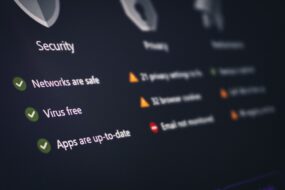
Before we jump into the nitty-gritty of security measures, let’s break down what home network security really means. When you secure your home network, you’re taking steps to protect your data and devices from potential threats. This involves everything from setting strong passwords to monitoring connected devices and even adjusting your router’s settings.
Most people believe that simply having a Wi-Fi password is enough, but that’s just the beginning. Protecting your network means understanding the potential vulnerabilities and being proactive about securing them.
Choose a Strong Password
If there’s one thing I can’t stress enough, it’s the importance of a strong password. You might think that “password123” is clever enough, but it’s just an invitation for trouble. A strong password is crucial for your Wi-Fi security. Here’s what most people get wrong: they use easy-to-guess passwords based on birthdays, pets’ names, or anything that can be easily found online.
- Make your password at least 12-16 characters long.
- Use a mix of uppercase and lowercase letters, numbers, and special characters.
- Avoid using personal information.
Change the Default Network Name (SSID)
Your router comes with a default network name, often something like “Netgear” or “Linksys.” This is a mistake waiting to happen. Anyone looking to connect to Wi-Fi can find these vanilla names easily. By changing your SSID to something unique, you’re already a step ahead in securing your home Wi-Fi network.
When crafting your SSID, steer clear of personal info. Don’t give potential intruders any clues about you. Aim for something catchy that isn’t easily associated with you, like “TheBestFi” or “HomeSweetWiFi.”
Enable WPA3 Encryption
Encryption is like a lock for your Wi-Fi. You want to make sure it’s the best lock available. Most routers offer different types of encryption, and if yours supports WPA3, it’s time to enable it. WPA3 is the latest standard in Wi-Fi security, offering better protection against unauthorized access compared to its predecessors like WPA2.
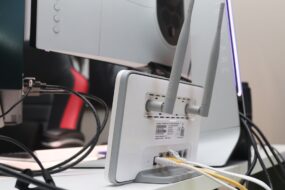
To check if you have this option, access your router settings using its IP address (usually something like 192.168.1.1). Look for the security settings and choose WPA3 if available. If it’s not an option, at least ensure that WPA2 is turned on.
Disable WPS
Wi-Fi Protected Setup (WPS) may seem convenient — it allows you to connect devices quickly with the push of a button or a PIN — but it’s a major vulnerability. WPS can potentially be exploited, giving hackers an easier way to access your home network. Disabling it is a smart move when you’re focusing on how to secure your home Wi-Fi network.
To disable WPS, head to your router settings again. Look for a button or option labeled “WPS” and turn it off. You’ll be safer without it.
Update Your Router Regularly
Just like your smartphone or computer, your router needs updates too. Manufacturers release firmware updates to patch security holes and improve functionality. Ignoring these updates is a common mistake that could leave your network vulnerable.
Set a reminder to check for updates every few months, or better yet, enable automatic updates if your router supports it. This simple step can significantly enhance your home network security.
Set up a Guest Network
Do you frequently have friends or family over? If so, setting up a guest network is a fantastic way to keep your main network secure. A guest network is separate from your primary one, meaning visitors can access the internet without gaining access to your personal devices.
Most modern routers offer the option to create a guest network. When doing this, ensure that you use a different password and consider limiting guest access to certain times or certain bandwidth. It’s an easy way to build an additional layer of security without sacrificing convenience for your guests.
Monitor Connected Devices
I can’t stress enough how important it is to keep an eye on what devices are connected to your home network. Sometimes, you might find unauthorized devices that have slipped in without your knowledge. Most routers allow you to see a list of connected devices in their settings. Make it a habit to check this list monthly.
If you see something suspicious, kick it off your network immediately and change your Wi-Fi password. It’s better to be safe than sorry.
Consider Using a VPN
Here’s a thought: using a Virtual Private Network (VPN) can add an extra layer of security to your home network. While it’s not solely a Wi-Fi security method, it’s worth considering, especially if you frequently use public Wi-Fi. A VPN encrypts your internet traffic and masks your IP address, making it harder for others to track your online activities.
While a VPN is more of a tool for securing your online activities, it still ties back into the broader picture of maintaining home network security. If you’re interested, there are plenty of VPN services available to guide you through the setup process, even for your router.
Educate Yourself and Your Family
The last step in securing your home Wi-Fi network is perhaps the most overlooked: education. It’s not just about strong passwords and encryption; it’s also about understanding potential risks. Take some time to explain to family members the importance of not clicking on strange links or downloading unknown files.
Consider hosting a family meeting to discuss safe online practices. Encourage questions and maybe even create fun quizzes to solidify knowledge. This won’t just protect your Wi-Fi but also promote safer internet habits among everyone in your household.
Wrapping It Up
Securing your home Wi-Fi network might feel overwhelming, but it doesn’t have to be. By following the steps outlined above, you can create a much safer online environment for yourself and your family. Remember, your network is the gateway to your personal data; treat it with the care it deserves.
In my experience, the more proactive you are about implementing these Wi-Fi security tips, the better prepared you’ll be to face potential threats. Don’t wait until it’s too late to secure your home network — take action now, and you’ll be grateful you did.