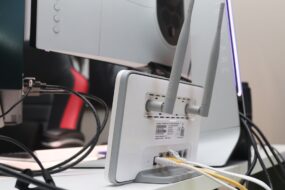
Most of us are almost completely dependent on our home Wi-Fi networks: streaming movies, video calls, gaming, or simply scrolling through social media. It can be incredibly frustrating when that connection fails to meet our expectations. Ever found yourself drooling over the idea of buttery-smooth streaming or lag-free gaming only to be met with buffering and dropped signals? You’re not alone.
Optimizing your home Wi-Fi network speed is essential for keeping life running smoothly. And the good news is, there are plenty of ways to improve Wi-Fi signal without needing an expensive tech overhaul. In my experience, a little tweaking here and there can lead to significant improvements. Let’s explore how you can increase Wi-Fi performance with some simple home network tips.
Understand Your Internet Plan
Before diving into the nitty-gritty of boosting your Wi-Fi speed, it’s crucial to understand your internet plan. Most people assume that if there’s a problem with their connectivity, the issue lies with their equipment. Often, though, it can be traced back to the internet speed you’re paying for.
- Check your Internet Speed: Use speed testing tools like Ookla or Fast.com to assess your current speeds. Compare the results with what your internet service provider (ISP) advertises. If you’re consistently underperforming, it might be time to call your ISP.
- Assess your usage: Are multiple devices connected? If everyone’s streaming video or gaming, you might need a plan with higher bandwidth.
Understanding your broadband plan will give you a solid foundation for optimizing your home Wi-Fi network speed, ensuring you set realistic expectations for your internet performance.
Position Your Router Wisely
The placement of your router can drastically impact your Wi-Fi performance. Here’s what most people get wrong: they often tuck their router away in a corner or behind furniture, thinking it’ll look neater that way. In reality, this can create dead zones and signal loss.
- Central Location: Ensure your router sits in a central location in your home. This can help spread the signal more evenly.
- Elevated Position: Place the router on a shelf or high piece of furniture, not on the floor. Higher positioning can often help increase your signal’s reach.
- Avoid Interference: Keep the router away from walls, metal objects, and electronic devices like microwaves or cordless phones that can affect signal strength.
Making these changes can lead to a remarkable improvement in your Wi-Fi signal.
Update Your Hardware
If your equipment is outdated, it can severely limit your internet speed, even if your ISP provides a high-speed plan. Here are some considerations:
- Router Age: If your router is more than a few years old, it may be time for an upgrade. Newer models support faster speeds and better range.
- Dual-Band vs. Tri-Band: Consider upgrading to a dual-band or tri-band router. These routers can handle multiple devices more efficiently and minimize slowdowns.
- Check Firmware: Manufacturers regularly release firmware updates that can enhance performance. Log in to your router’s interface and check for any available updates.
Investing in better hardware can be a straightforward way to boost your home’s Wi-Fi capabilities.
Secure Your Network
If your Wi-Fi network isn’t secured, you might be unknowingly allowing unauthorized users to tap into your connection. Poor security often translates to decreased performance, as more devices mean more congestion.
- Strong Passwords: Ensure your Wi-Fi password is strong and not easily guessed. Avoid obvious choices like “password” or your family name.
- Encryption Settings: Use WPA3 if your router supports it. If not, go for WPA2. These encryption methods offer more security than WEP.
- Guest Network: If you have frequent visitors, consider creating a guest network. This keeps your main network safer and mitigates congestion.
Securing your network not only keeps it fast but also protects your privacy.
Limit Bandwidth-Hogging Applications
Another common issue for slow internet speeds is bandwidth hogs—applications or devices that consume excessive amounts of your available speed. In my experience, identifying and managing these hogs can lead to noticeable improvements.
- Quality of Service (QoS) Settings: Many modern routers allow you to prioritize certain types of traffic. You can prioritize your gaming consoles or video streaming devices to ensure they get the speed they need.
- Limit Intrusive Software: Applications like cloud backups or updates can slow your speed. Schedule these for off-peak times to preserve bandwidth during busy hours.
- Monitor Your Devices: Regularly check what devices are connected to your network. Disconnect unused devices, as they can contribute to slower speeds.
By managing bandwidth use, you’ll likely see an improvement in your overall Wi-Fi performance.
Consider a Mesh Network
If your home is large or has multiple floors, you might find that a single router doesn’t adequately cover all areas. A mesh network can be a fantastic solution.
- How They Work: Mesh systems consist of multiple units, which communicate with each other to provide a more extensive Wi-Fi coverage area.
- Easy Setup: Most mesh systems come with user-friendly apps. You can set them up in minutes, even if you’re not very tech-savvy.
- Improved Signal: With devices placed in critical areas, you can eliminate dead zones and ensure a consistent connection throughout the home.
For families or individuals who enjoy streaming or gaming in different rooms, a mesh network might be worth considering in order to optimize home Wi-Fi network speed.
Utilize Wired Connections When Possible
While Wi-Fi is incredibly convenient, nothing beats the reliability of a wired connection. If you have devices that require a consistent and high-speed connection, such as gaming consoles or desktop computers, consider the following:
- Ethernet Cables: Connecting devices directly to your router with an Ethernet cable can significantly improve speeds and stability, especially for activities like gaming or 4K streaming.
- Powerline Adapters: If running cables is cumbersome, powerline adapters can send signals through your home’s electrical wiring, providing a wired-like experience.
These connections will alleviate some of the pressure from your Wi-Fi network, allowing it to operate at its optimal speed for other devices.
Regularly Reboot Your Router
Just like cars need oil changes and computers occasionally need restarts, your router benefits from a good reboot every now and then. A simple reboot can clear memory, fix minor glitches, and often improve connectivity.
- Schedule Reboots: Some users find that a scheduled reboot daily or weekly keeps their network performing well.
- Physical Reset: If you encounter persistent issues, a more thorough reset can sometimes help. Just remember, you’ll need to set up your router again afterward.
Regular maintenance can go a long way in keeping your Wi-Fi network speedy.
Conclusion
Optimizing your home Wi-Fi network speed isn’t as daunting as it may seem. With a little effort and attention to detail, you can significantly improve your everyday internet experience. Remember, it often starts with understanding what you currently have and making adjustive tweaks that work for your specific situation.
So, before you consider upgrading your entire system or switching ISPs, try the tips mentioned in this post. Try adjusting your router’s position, securing your network, and managing bandwidth use. You might just find that the improvements you seek are well within reach.
After implementing these strategies, keep an eye on your network performance. You’ll not only enjoy faster speeds, but also a more reliable connection for all your online activities. Happy surfing!