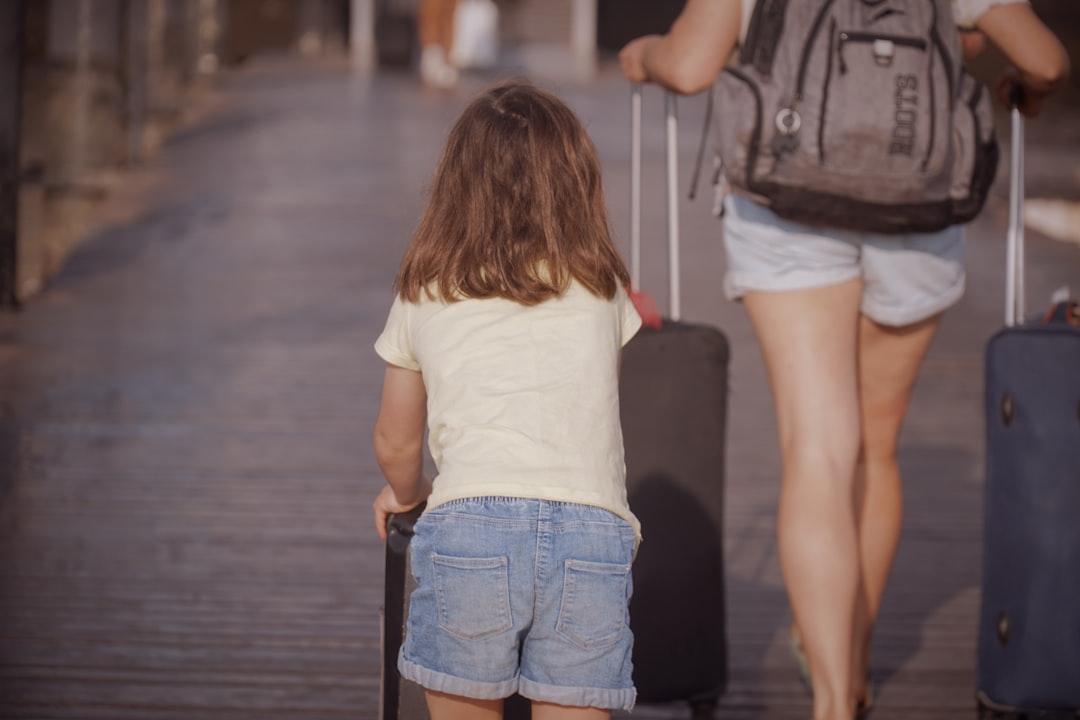
Traveling with young children can feel like preparing for a circus act. Between packing up enough snacks to feed a small army and keeping a close eye on toddlers ready to bolt at the first sign of adventure, many parents often feel overwhelmed. But it doesn’t have to be that way! With some solid tips for traveling with young children, you can transform a potentially stressful experience into a fun-filled family adventure.
Plan Ahead but Stay Flexible
The first step in ensuring a smooth trip is to plan ahead. You don’t want to be scrambling at the last minute, especially with young kids in tow. In my experience, having a good itinerary is valuable, but it’s just as crucial to remain flexible. Kids, much like plans, don’t always go as expected!
- Research your destination. Look up child-friendly activities and venues, like parks or museums that offer interactive exhibits. This way, you’ll know whether there’s something nearby that’ll catch their interest if they grow restless.
- Scout family accommodations. Look for hotels or rentals that provide essential amenities like cribs, high chairs, or even laundry services. A good location can help if you need to return for a nap or a diaper change.
- Consider travel times. When booking tickets, check flight durations or drive times. Opt for a schedule that works best for your kids’ routine, especially nap times.
Having a plan helps, but don’t be surprised if little ones suddenly decide that they need a snack or a bathroom break at the most inconvenient times. Just go with the flow!
Pack Smart with Kids in Mind
When it comes to packing for family trips, it’s all about smart choices. Here’s what most people get wrong: they overthink packing for children while underestimating what they’ll need for themselves.
- Essentials first: Diapers, wipes, and changes of clothes should top your list. If your child is potty-trained, don’t forget extra clothes—and maybe a plastic bag for any accidents.
- Snacks, snacks, snacks: Bring along plenty of healthy, easy-to-eat snacks like granola bars, dried fruit, and crackers. This can save you from meltdowns when hunger strikes!
- Entertainment options: Bring along some books, coloring sets, or portable gadgets with preloaded movies or games. Keeping them entertained can make the time fly by.
Lastly, don’t forget to pack a few surprises, like a new toy or a coloring book, to pull out in case you need to distract your kids mid-journey.
Learn the Art of Timing
Timing is key when traveling with young children. Whether you’re flying or driving, knowing your child’s natural rhythms can be a lifesaver. Here are some family travel tips regarding timing:
- Travel during sleep times: If you’re taking a flight, aim for one that coincides with your child’s nap time or bedtime. A sleeping child means fewer disruptions for both of you!
- Plan for breaks: If you’re on a road trip, schedule regular stops for stretching, bathroom breaks, and meals. This helps everyone refresh and decreases the chances of restlessness.
- Stay aware of time zones: If crossing time zones, gradually adjust your child’s sleep schedule a few days prior to minimize jet lag. In my experience, a well-rested child is much easier to travel with.
By keeping an eye on the clock and planning accordingly, you can reduce the stress and maximize the enjoyment of family travel.
Communication is Key
Your kids aren’t mind readers, so it’s important to communicate what to expect in advance. This is where parenting on the go can become easier.
- Talk about the trip: Explain your travel plans to your children and what’s in store for them. Visual aids like photos or videos of the destination can make it more exciting.
- Prepare for changes: Kids often thrive on routine, so prepare them for the fact that their schedule will look different during your travels.
- Involve them in the planning: Let your kids pick one activity they want to do, be it visiting a zoo or choosing a restaurant. This helps them feel invested in the trip.
Effective communication not only sets expectations but also reduces anxiety for both parents and kids.
Master the Art of Distraction
Even with the best planning, kids can get bored and fidgety during travel. This is where your creativity—and perhaps a bit of mischief—might come into play! Here are some ideas for fun distractions:
- Interactive games: Play classic car games like “I Spy” or create scavenger hunts for airplane flights. You can make it a challenge to spot different license plates on the highway.
- Download family-friendly podcasts: Listening to stories or educational content can engage kids and can be a great way to pass the time.
- Have a travel journal: Give older kids a journal to write or draw about their experiences. It keeps them engaged and makes for a great memento of the trip!
With the right distractions, kids might even forget they’re on a long journey.
Prioritize Safety and Comfort
You want your kids to have a great time, but their safety and comfort should always come first. Here are some essential tips for traveling with young children when it comes to safety:
- Keep an eye on their belongings: When traveling in crowded areas, remind them to hold your hand or stay close. A wrist leash for little ones can offer extra safety.
- Seat safety: If traveling by car, ensure their car seats are properly installed. If you’re flying, check airline policies about bringing car seats and boosters onboard.
- Health essentials: Pack a small first-aid kit with band-aids, antiseptic wipes, and any medications your child may need. It can save the day in case of minor accidents.
On a trip, safety should always be top of mind, bringing peace of mind to parents and enjoyment to the kids.
Expect the Unexpected
Finally, prepare for the unexpected. With young children, unpredictability often looms large. In my experience, this is just part of the adventure.
- Stay calm: Whether it’s a tantrum in an airport terminal or a missed flight, maintaining your composure can help soothe your children as well.
- Keep an emergency plan: Have a few backup strategies if things go awry. Know where local hospitals or urgent care centers are located at your destination.
- Friendliness towards strangers: Don’t hesitate to ask for help from fellow travelers or staff. Most people are understanding and willing to lend a hand.
While it’s impossible to plan for every little bump in the road, having a mindset ready to adapt can keep everyone smiling.
Conclusion
Traveling with young children may not always be a walk in the park, but with these essential tips for traveling with young children, you can make the most of the experience. From planning and packing smart to practicing effective communication and distraction techniques, a bit of preparedness can go a long way.
Family travel can create lasting memories, filled with joy, laughter, and sometimes, a little chaos. By following these tips and embracing the unpredictable nature of traveling with kids, you’re setting the stage for countless adventures. So pack those bags, gather your little ones, and get ready to create stories worth sharing!