Picture this: You’re in the middle of a life-or-death situation in your favorite online game, and then it happens. Your WiFi signal drops. Just like that, you’re left staring at a spinning loading icon while your character gets killed. Frustrating, right? If you’ve ever experienced dead zones in your home or spotty connections that seem to surface at the worst times, you’re not alone. Many of us are stuck wishing for better internet. Let’s talk about how to improve home WiFi signal strength easily, so you’re never left behind in another critical moment.
Understanding Your Home WiFi Signal
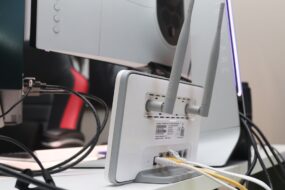
Before diving into solutions, it’s essential to understand what’s going on with your WiFi signal. Your router acts as the core of your home network, sending and receiving signals to and from your devices. WiFi signals, transmitted through radio waves, can be hampered by various factors, such as walls, furniture, and even other electronic devices. Knowing this helps you identify what could be obstructing your signal and allows you to take some actionable steps.
Assess Your Current WiFi Situation
Before you can effectively boost your WiFi signal, it’s a good idea to assess your current situation. There are various tools available to help you determine your network’s speed, reliability, and coverage.
- Speed Tests: Tools like Ookla’s Speedtest can measure your current download and upload speeds. Performing speed tests in different areas of your home can help pinpoint dead zones.
- WiFi Analyzer Apps: Apps like NetSpot or WiFi Analyzer can chart the strength of your signal throughout your home, allowing you to visualize weak spots.
Once you’ve got a clearer picture, let’s discuss practical tips on how to improve home WiFi signal strength.
Router Placement: A Critical Factor
One of the simplest, yet most effective tips on how to improve home WiFi signal strength is also the most overlooked: router placement. Many people tuck their routers away in the corner of a room or on a shelf, but this can severely stunt signal strength.
Here are some practical considerations for optimal placement:
- Center Location: If possible, place your router in a central location in your home. This helps the WiFi signal reach all areas more evenly.
- Elevated Position: Keep your router off the floor and elevated. Higher placements help the signal travel further.
- Avoid Obstacles: Walls, especially those made of concrete or brick, can obstruct signals. Place your router in a location where fewer barriers exist between it and your devices.
In my experience, moving the router just a few feet can make a noticeable difference in signal strength.
Upgrade Your Equipment
If you’ve been using the same router for several years, it might be time for an upgrade. Technology is constantly evolving, and newer routers can significantly improve your home network optimization. When looking for a new router, consider these factors:
- Wireless Standards: Look for routers that support the latest 802.11ac or 802.11ax (WiFi 6) standards. These can offer faster speeds and better range.
- Dual-Band or Tri-Band: Dual-band routers operate on both 2.4 GHz and 5 GHz frequencies, while tri-band routers add an additional 5 GHz band. This can help reduce congestion when multiple devices are connected.
WiFi Extender Tips: Boosting Your Signal
If you’ve assessed your situation and made the necessary adjustments but still find dead zones, you might want to consider using a WiFi extender. These devices can help boost your WiFi signal into those hard-to-reach areas of your home.
Here are some effective WiFi extender tips:
- Placement of Extender: Similar to your router, you’ll want your extender placed halfway between your router and the area where you need better coverage. This helps maintain the signal strength.
- Mesh Systems: If you’re facing substantial coverage issues, consider investing in a mesh WiFi system. These provide multiple points of access, creating a blanket of coverage throughout your space.
Many people get this part wrong by placing the extender too far from the router, thinking it will simply amplify the signal. Remember, it needs a solid signal to start with!
Regular Maintenance: Keeping Your Network Clean
Just like any other technology, routers require some TLC. Regular maintenance can go a long way in how to improve home WiFi signal strength. Here are some tips to keep in mind:
- Firmware Updates: Keep your router’s firmware updated. Manufacturers often release updates to fix bugs or improve performance.
- Reboot Your Router: Occasionally rebooting your router can help clear bugs and improve overall performance.
- Remove Unused Devices: Disconnect devices that you’re not using. Too many devices can slow down your network speeds.
Channel Optimization: Finding Less Congested Frequencies
Your WiFi network might be sharing channels with neighboring networks, which can impact performance. Most routers do a good job of selecting channels automatically, but you can manually optimize it if you’re experiencing issues.
To do this:
- Login to Your Router Settings: Most routers allow you to access settings through a web browser by typing in the router’s IP address.
- Scan for Congested Channels: Use a WiFi analyzer app to identify which channels have the least interference and switch to those.
While this might sound complicated, it’s actually pretty straightforward once you get the hang of it. Many people overlook this option in their quest for faster connection speeds.
Conclusion: A Stronger Connection Awaits
Improving your home WiFi signal strength doesn’t have to be an expensive or convoluted task. With a few strategic changes—from assessing your current setup to optimizing the equipment you use—you can boost your WiFi signal significantly. Remember to keep your router and network clean and updated as well.
By following the tips shared, you’ll ensure a stronger, more reliable connection in every corner of your home. And who knows? You might even avoid those frustrating moments of disconnection in the future. Here’s to smooth browsing, uninterrupted gaming, and seamless streaming!