Picture this: you’re deeply engrossed in a Netflix binge, the couch is comfortable, and all is right with your world. Suddenly, your Wi-Fi signal sputters, and you’re greeted with that dreaded buffering icon. It’s enough to send anyone’s heart racing. It’s frustrating when your trusty Wi-Fi lets you down, especially when you need it the most. Maybe you’ve wondered how to improve your Wi-Fi signal strength at home? Well, you’re not alone, and today we’ll explore some solid Wi-Fi signal booster tips that can truly make a difference.
Understanding Your Wi-Fi Signal
Before we dive into how to enhance your connectivity, let’s take a moment to understand what affects your Wi-Fi signal strength. Wi-Fi signals operate on radio frequencies, typically at 2.4GHz and 5GHz. The 2.4GHz band has a longer range but lower speeds, while the 5GHz band offers faster speeds but shorter range. Knowing how these frequencies work can help you make informed decisions on optimizing your network.
In my experience, the most common issue people face is interference. This can come from various sources such as walls, microwaves, and even other electronic devices. You might think, “Is it really that simple?” Yes! Recognizing these factors can set the stage for making effective changes.
1. Analyze Your Current Setup
Before implementing any fixes, it’s essential to evaluate your current setup. Use a Wi-Fi analyzer app on your smartphone or computer. This can help you identify weak spots in your coverage. Many of these apps will show you the strength of signals from nearby networks, giving you a clearer picture of your situation.
Here’s a quick checklist of what to look for:
- Check where your router is placed.
- Determine if there’s interference from other devices.
- Identify dead zones in your home.
Understanding where your signal is weak can help you develop a strategy to improve your Wi-Fi signal strength.
2. Optimize Your Router Placement
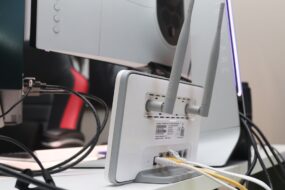
The placement of your router can be a significant factor in the quality of your Wi-Fi signal. Ideally, you want it in a central location of your home, elevated, and away from any potential obstructions. Here’s what most people get wrong: they tuck the router into a corner of the house or hide it behind furniture, thinking it’s out of the way. This is a major misstep.
Try to keep your router:
- Out in the open, preferably high on a shelf.
- At least a few feet away from walls and large appliances.
- In an elevated position to reduce interference.
By moving your router, you might be surprised at how much your Wi-Fi signal improves.
3. Upgrade Your Equipment
If your router is outdated, it might not efficiently transmit signals to all corners of your home. Consider upgrading to a newer model with better capabilities. Look for routers that support Wi-Fi 6 or mesh networks if you have a larger space.
Mesh networks are particularly useful if you have a big home, as they consist of multiple nodes that work together to provide better coverage. These systems can greatly help in situations where you need to maximize Wi-Fi range.
4. Use Wi-Fi Signal Boosters and Repeaters
Sometimes, despite our best efforts, that pesky Wi-Fi signal just won’t reach every nook and cranny of our homes. This is where Wi-Fi extenders and boosters can come into play. They capture your existing signal and amplify it to extend the coverage.
Here are a few points to consider when choosing a Wi-Fi booster:
- Pick a model with a good range based on your home size.
- Make sure it’s compatible with your existing router.
- Consider the location of the booster; it should be within the range of your router’s signal.
Mesh Systems vs. Traditional Extenders
A mesh network evenly spreads your internet connection throughout your home, while traditional extenders might create separate networks that can confuse devices. Personally, mesh systems have served me better in larger spaces, offering better performance and convenience.
5. Change Your Wi-Fi Channel
Many routers come with automatic settings that choose the best channel to broadcast. However, that doesn’t always mean it’s the best for your specific environment. If you live in a densely populated area, interference from other networks can cause sluggish performance. You can manually change your router’s channel through its settings, often found in the admin panel.
Try using channels 1, 6, or 11 on the 2.4GHz band, as these tend to have the least interference. For 5GHz, there are plenty of non-overlapping channels to choose from. Testing different channels can help improve your Wi-Fi signal strength.
6. Adjust Your Router Settings
Don’t overlook the importance of router settings in boosting your Wi-Fi signal. Here are a couple of adjustments that can help:
- Change the band: If you’re on a dual-band router, consider switching devices to the 5GHz band for faster speeds.
- QoS Settings: Quality of Service (QoS) lets you prioritize bandwidth for specific applications or devices, ensuring that video streaming and gaming get the needed speed.
Playing around with these settings can make a noticeable difference in overall performance.
7. Keep Your Software Updated
Just like your computer or smartphone, your router’s firmware needs to be updated. Manufacturers regularly release updates that fix bugs and improve performance. Failing to update might leave your router vulnerable or not functioning at optimal levels.
Make it a habit to check for updates periodically. Most routers allow you to do this through the admin panel, and it’ll usually be a quick process.
8. Consider Wired Connections for High-Demand Devices
If you have devices that require consistent, high-speed connections—like gaming consoles or computers—consider using Ethernet cables. Wired connections bypass Wi-Fi entirely, giving you a more stable and faster internet connection.
In my view, this is often an underrated solution. Not only does it free up bandwidth for wireless devices, but it also eliminates the frustrations of Wi-Fi interference and weaknesses altogether.
Final Thoughts
Improving your Wi-Fi signal strength can make a world of difference, especially in today’s home environments where we rely on digital connectivity more than ever. Using these Wi-Fi signal booster tips can help remedy those pesky signal issues and ensure your streaming sessions go uninterrupted.
No one wants to deal with the aggravation of slow internet speeds or dropped connections. Take the time to assess your current situation, optimize your setup, and consider investing in new hardware if necessary. With some simple changes and a bit of patience, you’re well on your way to maximizing your Wi-Fi range and enhancing your connectivity solutions at home.
Your Wi-Fi doesn’t have to be a source of frustration—it’s time you took control and made it work for you!