Imagine waking up to the smell of fresh coffee brewing, your favorite playlist playing softly in the background, and the curtains rising automatically to let in natural light. This is the beauty of a smart home. But what if I told you that these conveniences come with risks? How do you secure your smart home devices effectively and enjoy the benefits without compromising safety?
Why Smart Home Security Matters
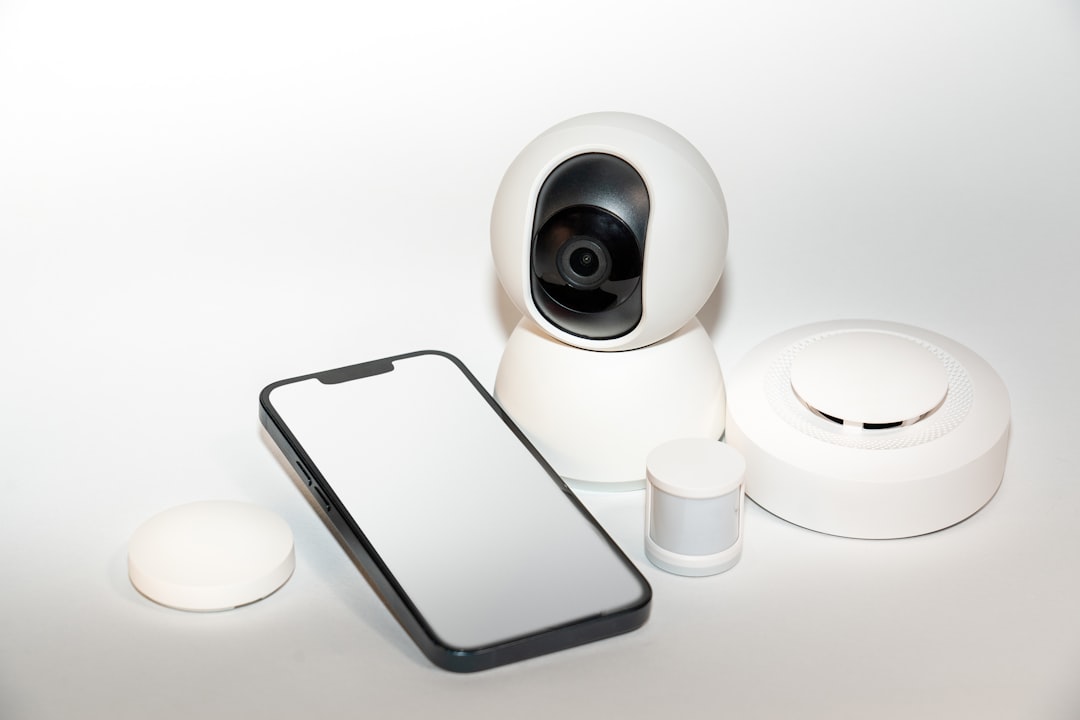
Smart home devices are all the rage these days. From smart speakers to security cameras, they’re designed to enhance our lives and make our homes more comfortable. However, it’s no secret that with convenience comes vulnerability. Cybercriminals are increasingly targeting these devices, and it’s essential to be aware of the risks involved. In my experience, many homeowners underestimate the importance of securing their smart home devices effectively.
Understanding the Risks of IoT Devices
Every time we add a new Internet of Things (IoT) device, we’re introducing potential points of entry for cyber attackers. The convenience of connecting everything from your thermostat to your refrigerator can quickly turn into a nightmare if someone gains unauthorized access. Here are some specific risks:
- Unauthorized Access: Many devices can be easily accessed if they’re not secured properly.
- Data Breaches: Smart home devices often collect personal data, which can be exploited if they fall into the wrong hands.
- Device Malfunction: Hackers can take control of your devices, causing them to malfunction or behave unpredictably.
These risks highlight the importance of smart home security and the need to secure your smart home devices effectively. You don’t want your smart light bulbs turning on and off at random times because someone else has control. That’s not just annoying; it’s a security issue.
Steps to Secure Your Smart Home Devices Effectively
Now that we’ve covered why smart home security matters, let’s dive into how you can secure your devices effectively. Here are several practical tips you might find useful.
1. Change Default Passwords
First things first, change the default passwords of all your smart home devices. Many people think their devices are secure out of the box. This couldn’t be further from the truth. Default passwords are often weak and widely known, making it easy for intruders to gain access. Create strong, unique passwords that mix letters, numbers, and special characters.
2. Keep Firmware Updated
Firmware updates are like vaccines for your devices. Manufacturers patch vulnerabilities and improve security features through updates. Here’s what most people get wrong: they ignore update notifications or disable them altogether. Enable automatic updates when possible, and regularly check for updates on devices that don’t support this feature.
3. Set Up a Guest Network
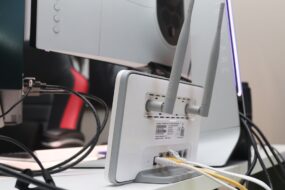
If your router has the capability, set up a guest network specifically for your smart home devices. This separates them from your primary network, where you store sensitive information like banking data. It adds an extra layer of security, making it significantly harder for intruders to access personal data.
4. Use Two-Factor Authentication
If your smart device or app offers two-factor authentication (2FA), enable it. This feature adds an additional layer of security by requiring a second form of verification before granting access. Whether it’s a text message to your phone or an email confirmation, it’s a simple yet effective way to secure your smart home devices effectively.
Monitoring and Managing Your Network
So you’ve taken some precautions, but your work doesn’t end there. Monitoring your home network is a key component of smart home security.
5. Regularly Check Connected Devices
Make a habit of checking which devices are connected to your network. Most routers have an app or web interface that shows all devices currently connected. If you notice a device you don’t recognize, it may be a sign of unauthorized access. Take immediate action by disconnecting it and changing your Wi-Fi password.
6. Invest in Smart Home Security Systems
If you can spare the expense, consider investing in dedicated smart home security systems. These systems specialize in monitoring for unusual activity, offering you peace of mind. They can send alerts to your phone or email when they detect something suspicious, giving you real-time information about your home security.
Physical Security Matters Too
Although most of our focus is on digital security, physical security shouldn’t be overlooked. Smart home devices can also be vulnerable to physical tampering.
7. Secure Entry Points
Ensure that all entry points, such as doors and windows, are secure. If you have smart locks installed, utilize their features, such as remote locking and unlocking, and ensure they have strong encryption. Additionally, make sure your cameras are positioned to cover areas of access and are tamper-proof.
Creating a Security Mindset
Lastly, securing your smart home devices effectively requires a shift in mindset. It’s not just about implementing one or two tricks; it’s about fostering a security-conscious environment. Here are some final thoughts:
8. Educate Your Household
Don’t just keep this knowledge to yourself. Educate your family members about the importance of smart home security. Make sure everyone knows how to spot potentially harmful activity, such as unusual notifications or unauthorized changes to settings. The more eyes and ears you have watching for suspicious behavior, the better.
9. Review Regularly
Finally, establish a routine for reviewing your smart home security. This might include monthly checks of device settings, passwords, and connected devices. Treat it like a health check-up for your home. It sounds tedious, but these practices can make all the difference in keeping your smart home secure.
The Bottom Line
Securing your smart home devices effectively isn’t just smart; it’s essential. The benefits of smart technology are numerous, but they come with inherent risks. By adopting a proactive approach to smart home security, you’ll not only keep your devices and personal data safe but also enjoy the conveniences that come with a connected home.
It’s easy to get caught up in the excitement of new tech, but taking the time to implement these strategies can save you a lot of headaches in the long run. Remember, security isn’t just about technology; it’s about mindset and habit. So, take action today and make your smart home a safer place.