What Web Hosting Is and Why It Matters
Web hosting is a service that allows individuals and businesses to make their websites accessible on the internet. It works by storing website files—such as images, text, and code—on specialized computers called servers, which deliver this content to users when they visit a site.
Without web hosting, a website cannot be viewed online because there would be no place to store and serve its data.
Hosting providers manage servers, ensure uptime, and maintain security, allowing website owners to focus on content and functionality rather than technical infrastructure.
This makes web hosting a foundational component of any online presence, whether for a personal blog or a large business website.
Overall, web hosting is essential for accessibility, performance, and reliability in the digital world.
How Web Hosting Works Behind the Scenes
The process of web hosting begins when a website is created and its files are uploaded to a hosting server.
Each website is linked to a domain name, which acts as an address that directs users to the server where the site is stored.
When a user enters a website URL into a browser, the request is sent to the hosting server, which then delivers the website’s content back to the user’s device.
Servers operate continuously to ensure that websites are available 24/7, handling requests, processing data, and managing interactions.
Hosting providers also handle backend tasks such as updates, backups, and security monitoring.
This entire system ensures that websites function smoothly and remain accessible to users worldwide.
Types of Web Hosting Services Explained

There are several types of web hosting services, each designed for different needs and budgets.
Shared hosting is the most affordable option, where multiple websites share the same server and its resources.
Virtual Private Server (VPS) hosting provides more control by allocating dedicated resources within a shared environment.
Dedicated hosting offers an entire server for a single website, providing maximum performance and control but at a higher cost.
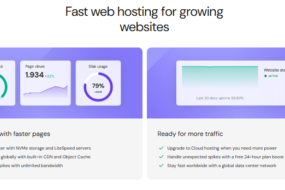
Cloud hosting uses a network of servers to ensure scalability and reliability, making it ideal for growing websites.
Choosing the right type depends on factors such as traffic, budget, and technical expertise.
Benefits of Using a Reliable Web Hosting Service
A good web hosting service provides several important benefits that impact website performance and success.
One of the main advantages is improved speed and performance, which enhances user experience and engagement.
Security is another key benefit, with hosting providers offering features such as firewalls, backups, and monitoring to protect websites from threats.
Reliable hosting also ensures high uptime, meaning the website remains accessible with minimal downtime.
Technical support is often included, helping users resolve issues quickly and efficiently.
Additionally, hosting services can improve credibility by enabling professional email addresses linked to a domain.
Overall, a quality hosting service enhances both functionality and trust.
How to Choose the Right Web Hosting Provider
Selecting the right hosting provider is crucial for long-term success.
First, consider your website’s needs, including expected traffic, storage requirements, and technical complexity.
Budget is another important factor, as hosting plans vary widely in cost depending on features and performance.
Look for providers that offer strong uptime guarantees, fast loading speeds, and reliable customer support.
Scalability is also important, allowing your hosting plan to grow as your website expands.
Finally, review security features and backup options to ensure your website remains protected.
Making an informed choice can significantly impact your website’s performance and growth.
Future Trends in Web Hosting and Digital Growth

The web hosting industry is evolving rapidly, driven by advancements in technology and increasing demand for online services.
Cloud hosting and scalable solutions are becoming more popular, allowing websites to handle traffic fluctuations efficiently.
Automation and artificial intelligence are also being integrated to improve performance, security, and user experience.
Sustainability is another emerging trend, with hosting providers investing in energy-efficient data centers.
As businesses continue to move online, the importance of reliable hosting will only increase.
In conclusion, web hosting is a critical foundation of the internet, enabling websites to function, grow, and succeed in an increasingly digital world.