HubSpot The Complete Guide to Smarter Digital Marketing
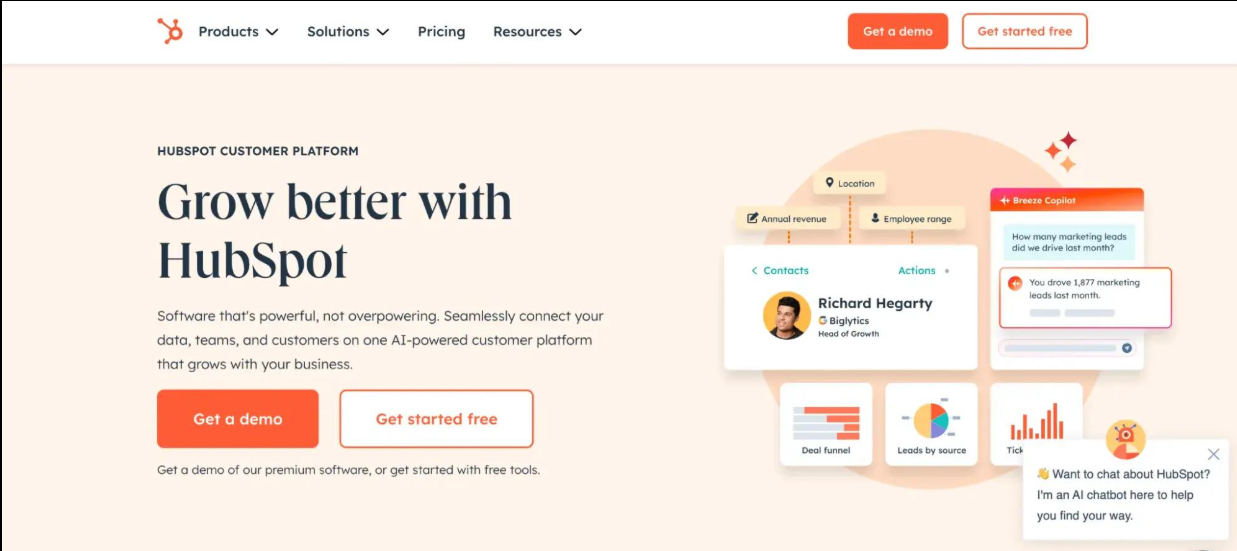
Digital marketing has become an essential part of modern business growth. Whether a company is a small startup, an online store, or an established organization, reaching the right audience requires a strong strategy, useful content, effective communication, and reliable technology. HubSpot is a well-known platform that brings many marketing, sales, customer service, and customer relationship tools together in one ecosystem. Businesses can use HubSpot to organize their customer interactions, attract potential customers, nurture leads, and build stronger relationships.
HubSpot Makes Digital Marketing More Organized

Managing digital marketing can become complicated when businesses use different tools for email campaigns, customer information, social media, analytics, sales activities, and customer support. HubSpot provides an integrated approach that can help businesses manage these activities more efficiently.
Instead of keeping important customer information in separate systems, businesses can organize their interactions and marketing activities in one place. This can make it easier for teams to understand customer journeys and coordinate their work.
A well-organized marketing system can also save valuable time. Marketing teams can spend less time switching between platforms and more time creating campaigns, improving content, and communicating with customers.
For growing businesses, organization is particularly important. As the number of leads and customers increases, manually managing every interaction becomes increasingly difficult. HubSpot can help businesses create a more structured approach to customer management.
Attract More Customers Through Valuable Content
Content marketing plays an important role in digital growth. Customers often search for information before making a purchasing decision. Businesses that provide useful and relevant content can build credibility while attracting people who are interested in their products or services.
HubSpot is strongly associated with inbound marketing, an approach that focuses on attracting customers through helpful content and experiences. Businesses can develop blog posts, guides, landing pages, emails, and other content designed around the needs and interests of their target audience.
For example, a skincare company could publish educational articles about choosing products for different skin types. A software company could create guides explaining common industry challenges. A travel business could publish destination guides and planning resources.
The goal is not simply to promote a product. Instead, useful content can answer customer questions and gradually introduce people to a business.
Consistent content can also support search engine visibility. When businesses create original content around topics their audiences search for, they have more opportunities to appear in relevant search results.
Manage Leads and Customer Relationships Efficiently
Generating leads is only one part of successful marketing. Businesses also need to manage those leads effectively and understand where potential customers are in the buying journey.
The customer relationship management capabilities associated with HubSpot can help businesses organize contact information and track customer interactions. Sales teams can use customer data to understand previous communications and identify opportunities for follow-up.
A structured CRM can be especially useful when multiple people work with the same customer. Instead of relying on individual notes or scattered messages, teams can have a centralized view of customer information.
Lead management can also help businesses prioritize their efforts. Not every person who visits a website is ready to purchase immediately. Some visitors may simply be researching a topic, while others may already be comparing products or looking for a solution.
By understanding these differences, businesses can create more appropriate communication strategies. Educational content may be useful for early-stage prospects, while product demonstrations, consultations, or special offers may be more relevant to people closer to making a purchase.
Create More Effective Email Marketing Campaigns
Email marketing remains a valuable way for businesses to communicate directly with customers and potential customers. However, successful email marketing requires more than sending the same message to everyone.
Businesses can use HubSpot to support more organized email marketing strategies, including audience segmentation, campaign management, and performance analysis. This allows marketers to create communication that is more relevant to different groups.
For instance, an online retailer could communicate differently with first-time visitors, existing customers, and customers who have previously purchased specific products. Personalized communication can make marketing messages feel more useful and less repetitive.
Email campaigns can also support customer relationships after a purchase. Businesses can send helpful information, product recommendations, educational content, or updates that keep customers engaged.
Measuring campaign performance is another important part of email marketing. Open rates, clicks, conversions, and other metrics can provide insights into what audiences respond to. Marketers can use these insights to improve future campaigns.
Improve Sales and Marketing Collaboration
Marketing and sales teams sometimes operate separately, which can create communication problems. Marketing may focus on generating leads while sales focuses on closing deals, but both teams ultimately contribute to the same business goal.
HubSpot can help create stronger connections between marketing and sales activities by providing shared customer information and organized workflows.
When sales representatives can understand how a potential customer interacted with marketing content, they may have more context for their conversations. Similarly, marketers can use sales feedback to better understand customer questions, objections, and purchasing behavior.
This collaboration can improve the overall customer journey. Instead of receiving unrelated messages from different departments, customers can experience more consistent communication.
For businesses trying to scale, this alignment can become increasingly important. Clear processes and shared information can reduce confusion and help teams work toward common objectives.
Deliver Better Customer Experiences
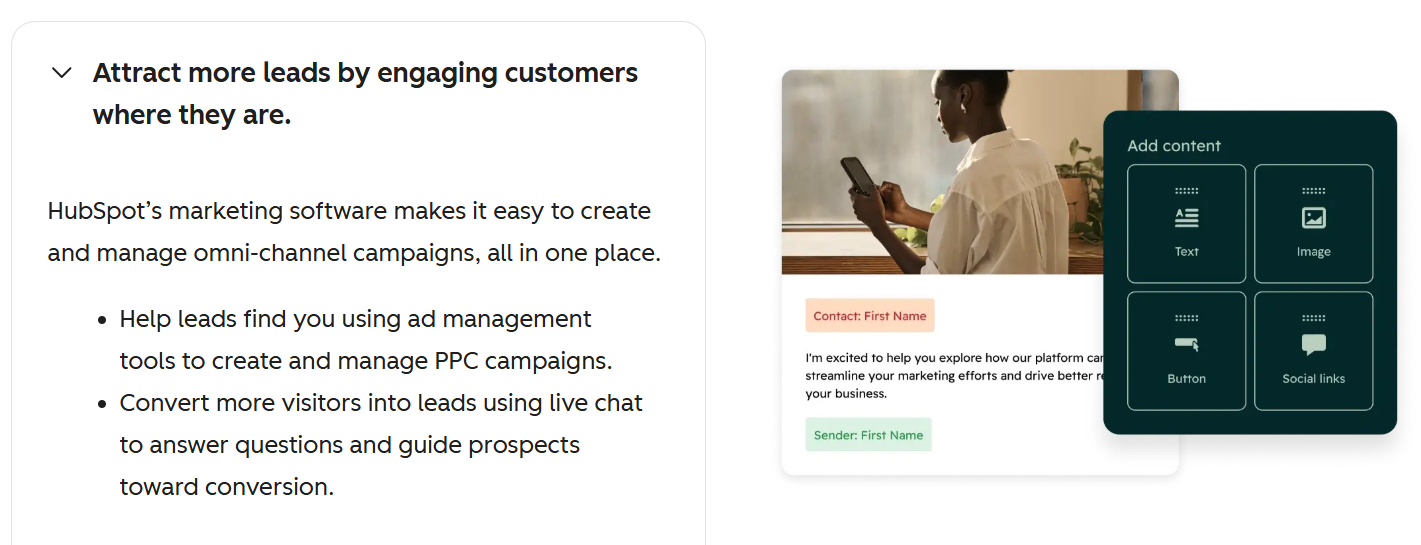
Customer experience can have a major influence on long-term business success. Customers expect businesses to respond quickly, provide useful information, and make interactions convenient.
Beyond marketing and sales, HubSpot also provides tools designed to support customer service and engagement. Businesses can use organized customer information and communication tools to provide more consistent support.
A strong customer experience does not end when someone makes a purchase. Businesses need to continue supporting customers and addressing their questions. Helpful service can encourage repeat purchases and positive word-of-mouth.
Customer feedback can also provide valuable insights. When businesses pay attention to common customer questions and problems, they can improve their products, services, website content, and communication.
Creating a customer-focused approach can therefore benefit both customers and businesses. Customers receive better support, while businesses gain opportunities to improve relationships and retention.
Use Data to Make Smarter Marketing Decisions
Successful marketing should not depend entirely on guesswork. Businesses need to understand which activities are producing results and where improvements are needed.
HubSpot offers analytics and reporting capabilities that can help businesses evaluate different aspects of their marketing and sales activities. Data can help marketers understand campaign performance, customer engagement, website activity, and other important indicators.
For example, if a particular content topic attracts significant traffic but produces few leads, the business may need to improve its calls to action or landing page. If an email campaign generates strong engagement, marketers can analyze what made the campaign successful and apply similar ideas to future communication.
Regularly reviewing performance can create a cycle of continuous improvement. Businesses can test different strategies, measure their results, identify successful approaches, and make informed adjustments.
This data-driven approach is particularly valuable in competitive digital markets. Consumer behavior can change quickly, so businesses need to remain flexible and responsive.
Overall, HubSpot can be a useful platform for businesses looking to bring their marketing, sales, CRM, and customer engagement activities into a more connected strategy. Its broad range of tools can help organizations attract audiences, manage leads, communicate with customers, support sales teams, and evaluate performance.
The most effective results, however, come from combining technology with a clear business strategy. Businesses should understand their audience, create valuable content, maintain consistent communication, and regularly evaluate their results. When these elements work together, digital marketing becomes more organized and purposeful.
For businesses seeking a centralized approach to modern marketing and customer management, HubSpot can provide a strong foundation for building and improving digital growth strategies.