HubSpot A Smarter Approach to Digital Marketing and Business Growth
Digital marketing continues to change as customers become more informed and businesses compete for attention across multiple online channels. Companies need more than occasional advertisements to build a strong digital presence. They need useful content, organized customer data, effective communication, sales support, and reliable ways to measure performance.
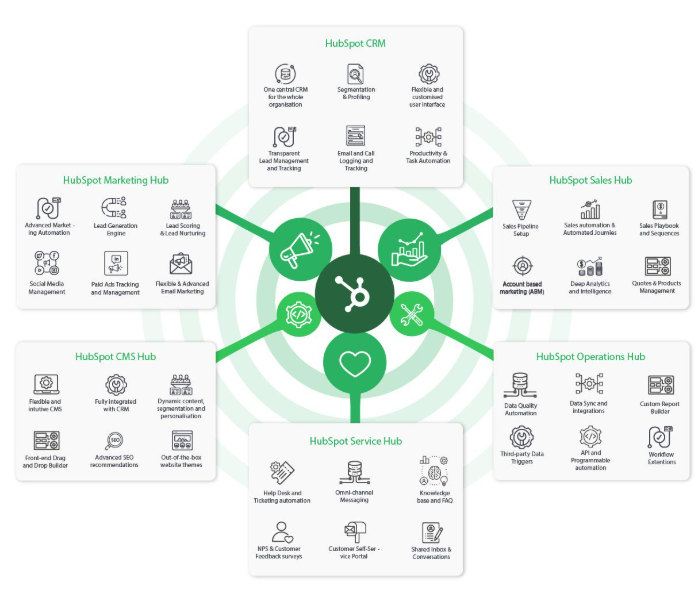
HubSpot provides a connected platform that businesses can use to manage important parts of their marketing, sales, CRM, and customer service activities. By bringing these functions together, businesses can create a more organized approach to attracting prospects, developing relationships, and supporting customers.
Build a Strong Foundation for Digital Marketing
A successful digital marketing strategy begins with a clear understanding of the target audience. Businesses need to know what customers are searching for, what problems they want to solve, and what information can help them make decisions.
HubSpot can support businesses as they organize their marketing activities around these customer needs. Instead of creating random campaigns, marketers can develop content and communication based on specific audiences and stages of the customer journey.
A structured approach makes marketing easier to manage. Teams can plan campaigns, monitor activities, organize customer information, and evaluate results more effectively.
For smaller businesses, this organization can be particularly valuable because teams often have limited time and resources. Having connected tools can reduce unnecessary manual work and allow marketers to focus on strategy and creativity.
Attract Audiences With Useful Content
Content is one of the most important elements of modern inbound marketing. People frequently search online for answers before contacting a company or purchasing a product. Businesses that provide useful information can attract potential customers while demonstrating their expertise.
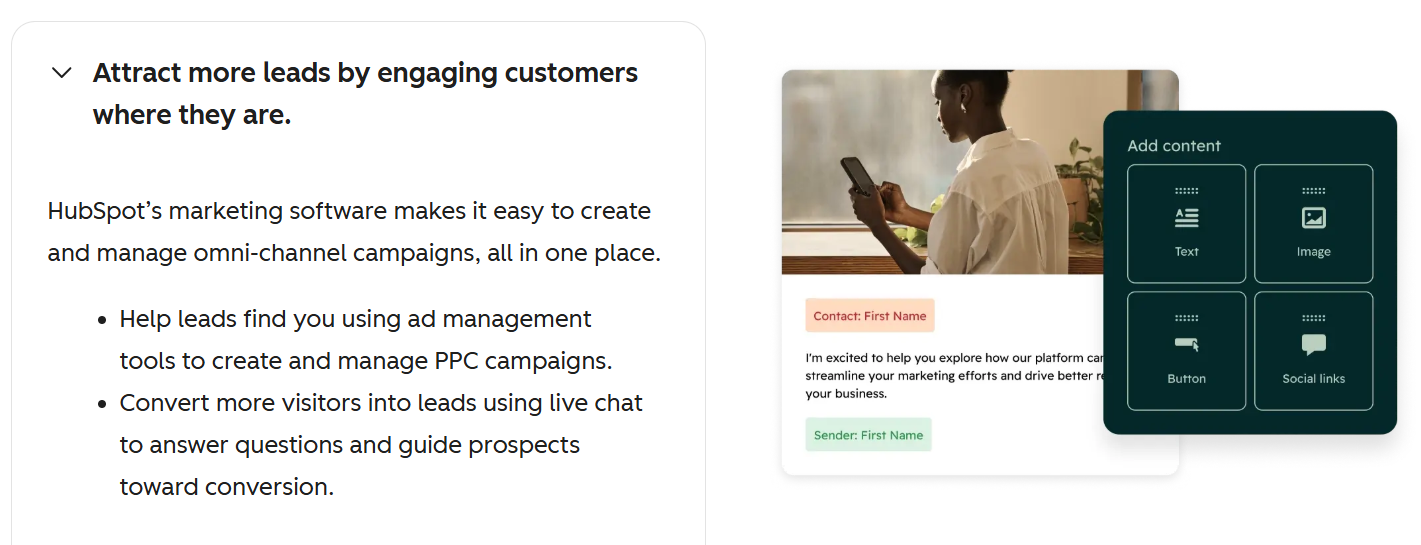
With HubSpot, businesses can build content strategies around topics that matter to their audiences. Blog articles, educational resources, landing pages, email campaigns, and other digital content can work together to bring visitors into the customer journey.
For example, a fitness company might publish workout guides, nutrition resources, and beginner tips. A technology business could create tutorials, comparison articles, and educational guides. These resources can help answer customer questions while creating opportunities for further engagement.
High-quality content should focus on usefulness rather than simply promoting a product. When readers consistently find valuable information from a business, they may become more familiar with the brand and more likely to consider its products or services.
Organize Customer Information With CRM
Customer relationships become more difficult to manage as a business grows. Contact details, conversations, purchases, inquiries, and other information can become scattered across different platforms.
A CRM system can help businesses organize these details and create a clearer picture of customer interactions. HubSpot offers CRM functionality that can help teams manage contacts and customer relationships in a more structured way.
A centralized customer record can help sales and marketing teams understand previous interactions. This can be useful when a customer communicates with multiple members of a company.
For example, if a potential customer has already downloaded a guide or contacted a sales representative, having that information available can give the sales team valuable context for future conversations.
Better organization can also reduce repetitive communication. Customers do not want to repeatedly explain the same problem to different representatives. Accessible customer information can help businesses provide a smoother experience.
Strengthen Email Marketing
Email marketing remains an important channel for businesses because it allows companies to communicate directly with audiences. However, sending identical emails to every subscriber may not produce the best results.
Businesses can use HubSpot to create more structured email marketing strategies. Different customer groups can receive communication that is more closely related to their interests, previous interactions, or position in the buying journey.
A new subscriber might receive introductory information about a brand, while an existing customer could receive product updates or educational resources. This type of segmentation can make communication more relevant.
Businesses can also analyze campaign performance and use the results to improve future emails. Monitoring engagement helps marketers understand which messages, topics, and calls to action perform well.
Consistent testing and improvement can gradually make email marketing more effective.
Connect Marketing and Sales
Marketing and sales teams need to work together if a business wants to create a smooth customer journey. When these departments operate independently, important information can be lost.
HubSpot can help businesses connect marketing and sales activities by giving teams access to shared customer information and organized processes.
Marketing teams can focus on attracting and nurturing potential customers, while sales teams can use available information to have more informed conversations with prospects.
For example, a sales representative may be able to see which content a prospect interacted with before starting a conversation. This context can make the conversation more relevant and reduce unnecessary questions.
Better collaboration also allows marketing teams to learn from sales representatives. Sales teams regularly hear customer concerns and objections, which can provide useful ideas for future content and campaigns.
Improve Customer Service and Engagement
Customer relationships should continue after a sale. Businesses that provide helpful and responsive service have more opportunities to build long-term loyalty.
Customer service tools and organized customer information can help teams respond to questions more efficiently. HubSpot can support businesses in managing customer interactions and creating a more connected service experience.
When customers receive timely and helpful support, they are more likely to have a positive impression of the company. Good service can also encourage customers to return and recommend a business to others.
Businesses can use customer feedback to identify common problems and opportunities for improvement. Questions received by support teams may reveal gaps in website content, product instructions, or communication.
This makes customer service more than just a support function. It can become an important source of business insights.
Measure Performance and Improve Campaigns
Digital marketing provides businesses with access to valuable performance information. Instead of relying only on assumptions, marketers can review data to understand what is working.
HubSpot provides reporting and analytics features that can help businesses evaluate marketing and sales performance. Metrics can help teams identify successful campaigns and areas that need improvement.
Suppose a business receives significant traffic from a blog article but generates very few leads from that page. The company might review its call to action, landing page, or content structure.
Similarly, if an email campaign receives strong engagement, marketers can examine its subject, content, timing, and audience to identify useful patterns.
Regular analysis encourages continuous improvement. Businesses can experiment with new ideas, review the results, and adjust their strategies based on evidence.
Create a More Connected Customer Journey
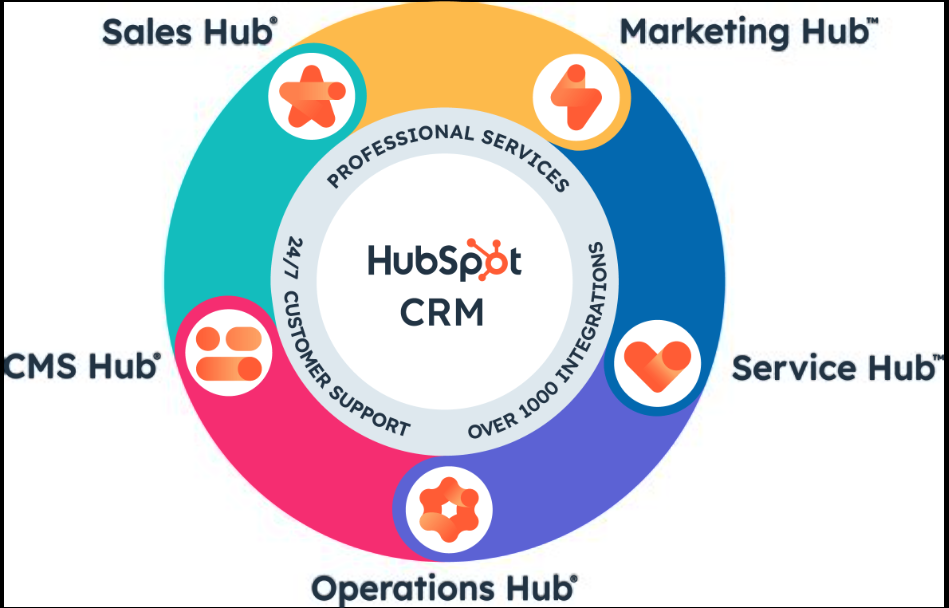
One of the biggest advantages of using an integrated platform is the ability to connect different stages of the customer journey.
A person may first discover a business through a search engine, read a blog article, subscribe to an email list, communicate with a sales representative, purchase a product, and later contact customer support.
Each interaction can contribute to the overall customer experience. When businesses manage these interactions separately, it can become difficult to understand the complete journey.
HubSpot can help businesses bring different customer-facing activities into a more connected system. This can make it easier for teams to understand prospects and customers and create more consistent communication.
A connected approach can also help businesses identify opportunities. For example, customer engagement data may reveal which content attracts the most attention or which stage of the journey causes people to leave.
Grow With a More Organized Strategy
Business growth requires more than having a large collection of marketing tools. Companies need a strategy that connects their goals, audience, content, sales activities, and customer service.
HubSpot can serve as a central part of that strategy by providing tools for managing customer relationships and supporting different stages of digital growth.
However, technology alone does not guarantee success. Businesses still need to create useful content, understand their customers, communicate clearly, and review their performance regularly.
The strongest approach is to use technology as a foundation while keeping the customer at the center of every decision. With the right strategy, businesses can build stronger relationships, improve marketing efficiency, and create a more consistent digital experience.
For companies looking to organize their digital marketing and customer management activities, HubSpot offers a comprehensive environment for bringing these important functions together.