Blinkist — Turn a Few Minutes into Meaningful Learning
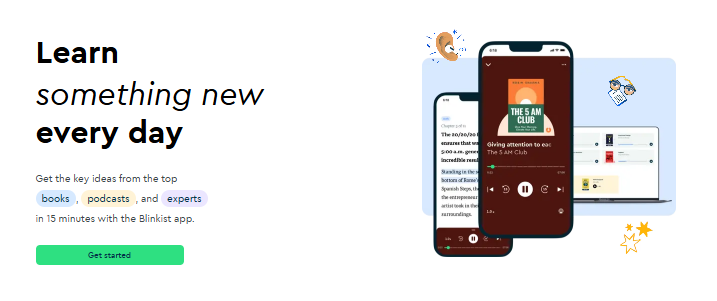
Modern life moves quickly, and finding enough time to read can be challenging. Many people want to learn from books about business, psychology, productivity, leadership, health, and personal growth, but long reading lists often remain unfinished. Blinkist offers a convenient way to explore important ideas from nonfiction books in a shorter and more accessible format.
Instead of requiring hours of reading, Blinkist helps users discover the core concepts of a book in a concise form. This makes it useful for busy professionals, students, entrepreneurs, lifelong learners, and anyone who wants to keep learning without adding extra pressure to an already full schedule.
The value of Blinkist is not only in saving time. It can also help users discover new authors, explore unfamiliar subjects, and build a stronger habit of continuous learning.
Explore New Ideas Every Day with Blinkist
Learning does not always require long study sessions. Small amounts of focused learning can still introduce valuable ideas and encourage new ways of thinking.
Blinkist makes it easier to explore different subjects within a limited amount of time. You might begin your morning with insights about productivity, spend your lunch break learning about psychology, or explore leadership ideas in the evening.
This variety can help keep learning interesting. Instead of focusing on only one subject for a long period, users can move between different topics and discover which areas are most relevant to their goals.
Blinkist can also act as a starting point for deeper reading. If a summary introduces an idea that feels especially useful, you can decide to read the complete book later. In this way, Blinkist can help you choose where to invest more of your reading time.
Blinkist Makes Learning Easier for Busy People
One of the biggest challenges of reading is simply finding enough uninterrupted time. A full book may take several hours to finish, and many people struggle to create that space in their daily routine.
Blinkist offers a more flexible approach. Short learning sessions can fit around work, family responsibilities, commuting, exercise, or travel. Instead of waiting for the perfect moment to read, users can make use of smaller gaps in the day.
This can be especially useful for people who want to develop a consistent learning habit. A short daily session may feel easier to maintain than setting an ambitious goal of reading several full books each month.
Over time, these small moments can add up. Even a few minutes spent exploring new ideas each day can help build broader knowledge across different subjects.
Discover Books Before Reading Them with Blinkist
Choosing the right book can sometimes be difficult. There are thousands of nonfiction titles available, and it is not always easy to know which ones are worth your time.
Blinkist can help users understand the main direction of a book before deciding whether to read the full version. By exploring the central ideas first, you can get a clearer sense of the book’s subject, style, and relevance.
This can be useful when building a reading list. Instead of choosing books based only on titles, covers, or recommendations, you can first explore what each one is really about.
For example, you may be interested in a book about habits but discover that another title on the same subject offers ideas that better match your goals. Blinkist can make this discovery process quicker and more practical.
It is also a useful way to revisit books you have already read. A concise recap can help refresh important concepts without requiring you to reread the entire book.
Learn Wherever You Are with Blinkist
Learning becomes easier when it can adapt to your routine. Not everyone has the same schedule, and not everyone prefers the same format.
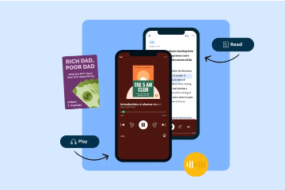
Some people enjoy reading quietly, while others prefer listening while walking, commuting, or completing everyday tasks. Blinkist can support different learning habits by making book ideas easier to access in moments that suit the user.
This flexibility can make learning feel more natural. Instead of treating it as another task that needs to be completed, it can become part of activities you already do.
A morning commute can become an opportunity to explore a business concept. A short walk can become a chance to learn about psychology. A quiet evening can be used to discover ideas from a book about communication or personal growth.
By fitting learning into existing routines, Blinkist can help make knowledge more accessible throughout the day.
Use Blinkist to Explore Personal and Professional Growth
People turn to nonfiction books for many different reasons. Some want to improve their careers, while others are interested in building healthier habits, managing money, understanding relationships, or developing new skills.
Blinkist can support both personal and professional learning by giving users access to ideas from a broad range of subjects.
A professional might explore books about leadership, teamwork, negotiation, or decision-making. An entrepreneur may be interested in marketing, innovation, or business strategy. Someone focused on personal development may prefer topics such as habits, confidence, mindfulness, or communication.
The ability to move between these areas makes Blinkist useful for people whose interests change over time.
Learning does not need to follow a fixed path. You can focus on career development during one period and later explore wellbeing, creativity, or relationships. Blinkist makes it easier to adjust your learning journey as your goals evolve.
Build Better Learning Habits with Blinkist
A good learning habit does not need to be complicated. The most effective routine is often one that is simple enough to maintain consistently.
Blinkist can be incorporated into a daily or weekly learning schedule. For example, you might choose one topic each week and explore several related books. Another option is to select one summary each morning or listen to one during your commute.
Taking notes can make the experience more useful. After finishing a summary, write down one or two ideas that stood out. Ask yourself how those ideas relate to your work, habits, relationships, or future goals.
You can also create themed learning periods. One month might focus on productivity, while the next explores psychology or financial knowledge. This gives structure to your learning without making it feel restrictive.
The key is consistency. Even short learning sessions can become valuable when they are repeated regularly.
Make Curiosity Part of Everyday Life with Blinkist
Curiosity is one of the strongest drivers of learning. When people remain curious, they are more likely to explore unfamiliar ideas, ask better questions, and continue developing new perspectives.
Blinkist can help support this mindset by making it easier to discover topics beyond your usual interests. You might begin with a subject you already enjoy and gradually explore areas you know little about.
A person interested in business might discover useful ideas from psychology. Someone focused on personal growth might become curious about science or history. These connections can make learning more interesting and help users see familiar problems from new angles.
The goal does not have to be remembering every detail. Sometimes the most valuable result of learning is simply discovering a new question or perspective.
Blinkist provides a practical way to keep that curiosity active. By turning short periods of free time into opportunities for learning, users can continue exploring ideas without needing to completely reorganize their schedules.
Whether your goal is professional development, personal growth, better habits, or simply discovering interesting books, Blinkist can help make learning a more regular part of everyday life. Small moments of focused learning can lead to broader knowledge, stronger curiosity, and a more thoughtful approach to personal development.