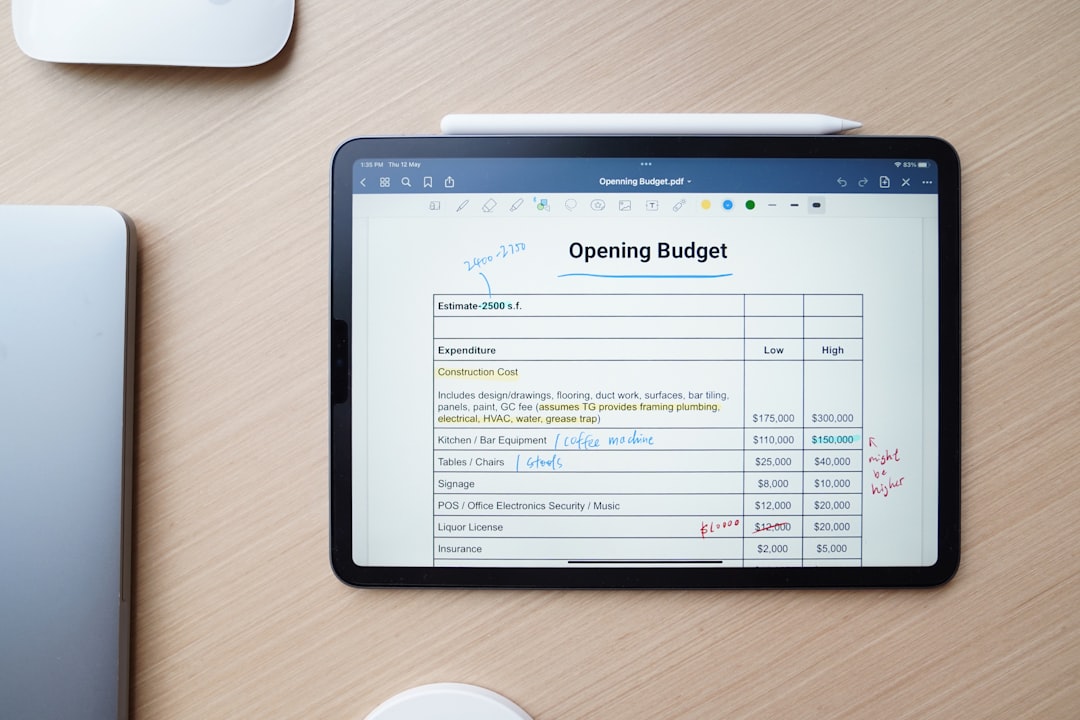
Creating a tech startup is a thrilling adventure. You’re enthusiastic about your groundbreaking ideas, the potential for growth, and the promise of success. But amidst all this excitement, there’s one crucial aspect you can’t ignore: budgeting. It’s easy to get swept away by visions of your tech empire, but if you don’t manage your finances wisely, all those dreams could quickly come crashing down.
Understanding Your Tech Startup Expenses
Before you can even think about how to create a budget for your tech startup, you need to understand the kind of expenses you’re looking at. It’s not just about sticking to a number; it’s about being aware of where that money goes. You’ve got your obvious costs, like software and hardware, but there’s so much more beneath the surface.
- Operational Costs: These are your day-to-day expenses. Think rent, utilities, and salaries. Don’t forget to include costs for tools your team needs to do their jobs.
- Marketing Expenses: You need to be visible to your potential clients. Budget for advertising, website development, and content creation.
- Research and Development: If you’re in the tech space, you’re probably constantly tweaking and improving your products. Allocate funds for this vital area.
- Legal and Compliance Fees: Don’t underestimate the importance of staying compliant. Legal fees can add up fast if you’re not careful.
In my experience, understanding where your money goes is the first step in crafting a solid budget.
Setting Up a Budget: Get Real
Once you’ve identified your expected expenses, it’s time to put pen to paper. But here’s where most people get it wrong: they often create budgets that are unrealistic. Here’s a tip: keep your expectations grounded in reality. Look at your previous expenses if you’ve been running for a while, or try to consult with other startups to get an idea of what’s typical in the industry.
Create a simple spreadsheet that outlines all your projected costs, separating your fixed costs from variable costs. Fixed costs are things you’ll pay every month, like rent, while variable costs can fluctuate, like marketing expenses or equipment repairs. This segmentation will give you a clearer picture of your financial landscape.
Revenue Projections: Counting Your Chickens
Now that you’ve detailed your expenses, it’s time to look at potential revenue. This is where financial planning for startups gets exciting (and a little terrifying!). You might have big dreams for what your product could achieve, but being overly optimistic can lead to dangerous financial pitfalls.
Think about how you’ll generate income. Will you be offering subscription services, one-time purchases, or perhaps a freemium model? Whatever your method, research market rates and trends to set realistic targets. It’s good to be ambitious, but remember: an inflated revenue projection can make your budget misleading.
Creating a Buffer: Expect the Unexpected
No one enjoys thinking about worst-case scenarios, but they do happen. That’s why it’s crucial to create a financial buffer in your budget. Costs can sneak up on you at any time, whether it’s an unexpected server crash or a sudden rise in your software licensing fees. Stuff happens.
A typical rule of thumb is to allocate around 10-20% of your total budget to unforeseen expenses. This isn’t meant to be a slush fund but rather a financial safety net. A buffer can be the difference between a minor hiccup and a financial disaster.
Review and Adjust: It’s a Continuous Process
Creating a budget for your tech startup isn’t a one-and-done deal. It’s more like maintaining a garden: you have to keep tending to it. Regular reviews can help identify areas where you might be overspending or falling short on revenue. Consider setting aside time each month or quarter to reassess your budget and adjust it as necessary.
For instance, if marketing is bringing in more customers than you originally anticipated, maybe it’s time to increase your budget in that area. Conversely, if your software development costs are running high, it might be wise to scrutinize those expenses or look for alternative solutions. Flexibility is key.
The Importance of Tracking Your Finances
You can create the most beautifully crafted budget in the world, but if you don’t track your spending, it’s all for naught. A budget without tracking is like a map without a compass—useless in navigating your financial landscape. Use accounting software, spreadsheets, or even good ol’ pen and paper; whatever works for you.
By consistently tracking your expenses and revenue, you’ll not only stay within your budget but also gather incredibly valuable data for future planning. After a few months, you’ll start spotting trends, which can inform your decision-making going forward.
Seeking Guidance: Don’t Go It Alone
Finally, as a startup founder, it’s easy to think you need to do everything yourself. While maintaining control is important, seeking guidance can save you time and money in the long run. Business mentors, financial advisors, or networking with other entrepreneurs can offer invaluable insights.
Consider joining a startup incubator or accelerator, which often provides resources for financial planning. You don’t have to deal with budgeting challenges in isolation; there’s a whole community out there willing to help.
Wrapping It Up
Creating a budget for your tech startup is one of the most critical steps you can take toward ensuring your business’s success. It can be daunting, but by understanding your expenses, setting realistic revenue projections, and continually reassessing your financial situation, you’ll be well on your way to a stable startup.
Startup budgeting tips often emphasize the importance of flexibility and awareness. Keep an eye on your cash flow, and don’t hesitate to make changes as needed. This journey might be challenging, but with sound financial planning, your tech dreams can become a reality.