Understanding the Business Model of Farfetch
At its core, Farfetch operates on a marketplace-driven business model that connects luxury brands, boutiques, and consumers. Instead of holding large amounts of inventory, the platform enables partners to list and sell their products directly.
This model allows Farfetch to scale rapidly while maintaining a diverse product offering. It also reduces operational risks associated with traditional retail, making it more adaptable in a competitive market.
The Role of Globalization in Fashion Retail
Globalization has reshaped the fashion industry, and Farfetch has leveraged this trend effectively. By linking boutiques from different regions, the platform creates a unified global marketplace.
Customers benefit from:
- Access to international fashion trends
- Exposure to unique regional styles
- The ability to shop globally from one platform
This global reach has positioned Farfetch as a leader in cross-border luxury retail.
Enhancing Brand Visibility and Reach

Farfetch provides luxury brands with an opportunity to expand their visibility without investing heavily in digital infrastructure.
For brands, the platform offers:
- Access to a global customer base
- Marketing and promotional support
- Data insights into consumer behavior
This partnership-driven approach strengthens relationships between Farfetch and its brand partners.
The Importance of User Experience
User experience is a critical factor in the success of any e-commerce platform. Farfetch prioritizes ease of use, ensuring that customers can navigate the platform effortlessly.
Features include:
- Advanced search and filtering tools
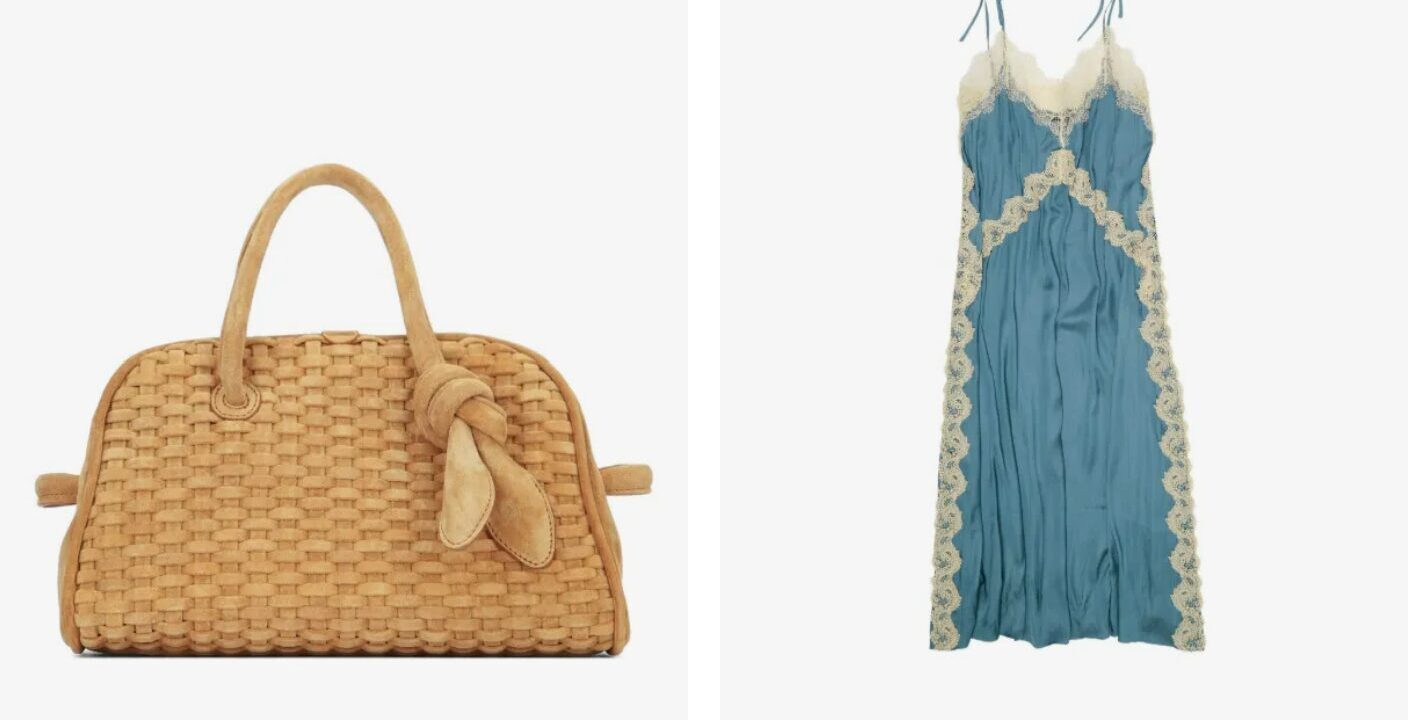
- High-quality visuals and detailed product pages
- Streamlined checkout processes
These elements contribute to a smooth and enjoyable shopping journey.
Competitive Landscape and Differentiation
The luxury e-commerce market includes several strong competitors, but Farfetch differentiates itself through its marketplace structure and global inventory.
Its key advantages include:
- A broader selection of products
- Partnerships with independent boutiques
- A flexible and scalable business model
These strengths help it maintain a competitive edge in the industry.
Long-Term Growth and Innovation
Looking ahead, Farfetch is expected to continue investing in technology and innovation. Areas of focus include artificial intelligence, personalization, and sustainability.
As consumer expectations evolve, the platform’s ability to innovate will be essential for long-term success. By staying ahead of trends, Farfetch is well-positioned to remain a dominant force in luxury fashion e-commerce.
Conclusion
Farfetch has revolutionized the way luxury fashion is bought and sold. Its marketplace model, global reach, and focus on technology have created a powerful and flexible retail ecosystem.
For both consumers and brands, Farfetch offers a unique combination of accessibility, variety, and innovation. As the fashion industry continues to evolve, it remains a key player shaping the future of digital luxury commerce