Picture this: you walk into your home, and with a simple voice command, the lights dim, the thermostat adjusts, and your favorite playlist starts playing. Smart home devices have made our lives incredibly convenient, but they also come with risks. Recent reports show that cyberattacks targeting smart devices are on the rise, making it more important than ever to secure your smart home devices effectively. So, how do you protect your cozy haven from potential intruders?
Understanding Smart Home Security
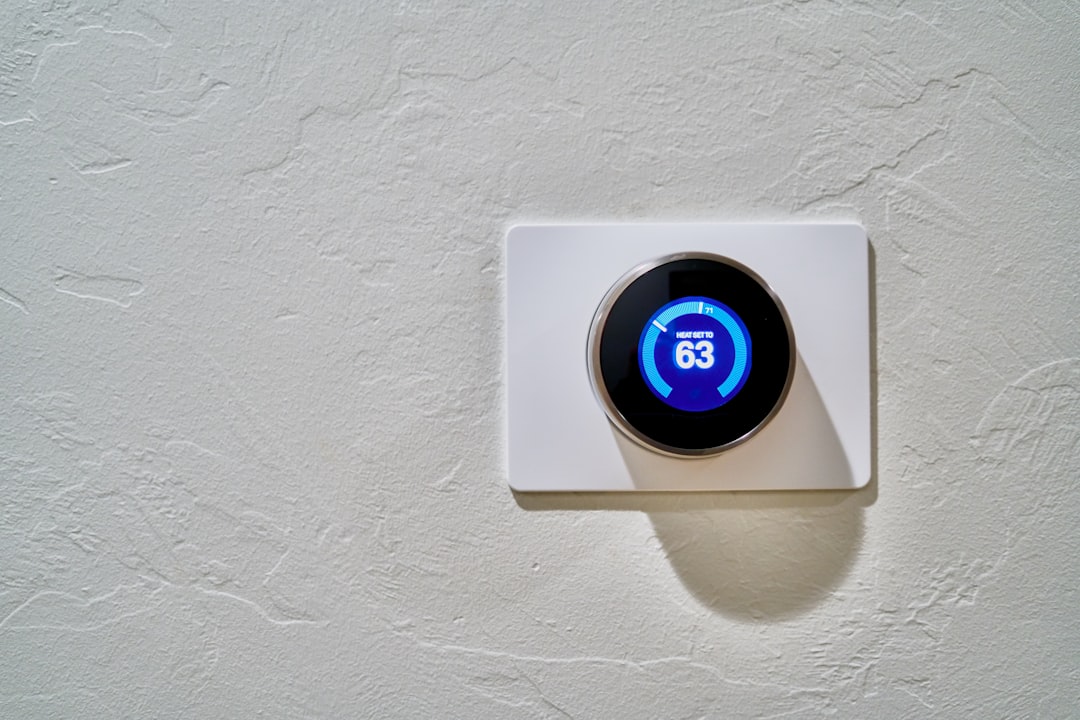
Let’s face it, smart home security isn’t just about having the latest gadgets. It’s about understanding the vulnerabilities that come with them. Most people think slapping a lock on their front door is enough, but what about the smart thermostat or the connected cameras?
Every device that connects to the Internet can be a potential entry point for hackers. In my experience, many users underestimate the importance of device security, thinking it’s a hassle or too complex. However, taking some simple steps can greatly enhance your home automation safety.
Common Vulnerabilities of Smart Home Devices
Before we jump into the tips, let’s explore the most common vulnerabilities. Recognizing these issues can help you know what to look out for:
- Weak Passwords: Many people use default or easily guessable passwords. This is like leaving your front door wide open.
- Lack of Updates: Manufacturers regularly release updates to fix security flaws. Not applying these updates can leave you exposed.
- Insecure Wi-Fi Networks: If your network isn’t secured, anyone nearby can potentially access your devices.
- Unsecured Apps: Some third-party apps may not follow the best security practices and could compromise your device’s safety.
Device Security Tips You Can’t Afford to Ignore
Now that you know what to watch out for, let’s dive into some device security tips that can help you secure your smart home devices effectively:
Create Strong, Unique Passwords
This one’s a no-brainer, yet so many people overlook it. Instead of using the default password, create a strong, unique password for each device. Combine uppercase letters, lowercase letters, numbers, and symbols to make it hard for anyone to guess. Also, consider using a password manager to keep track of everything.
Update Regularly
Staying on top of software updates might seem tedious, but it’s essential. Just like you wouldn’t ignore oil changes for your car, don’t ignore updates for your devices. Set reminders or enable automatic updates if possible. This simple act can significantly boost your device’s security.
Secure Your Wi-Fi Network
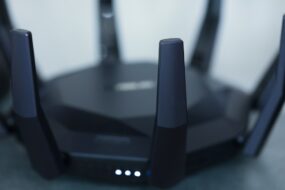
Your home Wi-Fi is the backbone of your smart home. A weak or insecure network can leave all your devices vulnerable. Here’s how to fortify it:
- Change the default router password.
- Use WPA3 encryption instead of older standards.
- Disable guest networks if you don’t need them, or set them up securely.
- Use a separate network for your smart devices to isolate them from your main devices.
Smart Home Safety: Two-Factor Authentication
Many smart home devices offer two-factor authentication (2FA) for added security. This means that even if someone has your password, they won’t be able to access your device without the second form of identification, like a text message or an app notification. In my opinion, enabling 2FA is one of the easiest ways to bolster your smart home security without much fuss.
Limit Device Access
Most smart devices come with the option to manage who can access them. If you have multiple family members, decide who really needs access to which devices. Limiting access not only enhances your home automation safety but also minimizes the risk of unauthorized control.
Advanced Security Features
Some devices have additional security settings worth exploring. Features like geofencing—where the device knows when you’re away from home—can allow for automatic locking or disarming of alarms. Check your device settings thoroughly to take advantage of these features. Here’s what most people get wrong: they assume basic settings are enough. Dig deeper into your device’s manual or online resources for extra security measures.
Keep Personal Data Private
Smart devices often collect and store personal data. From your daily routines to the sounds in your home, this information is valuable to hackers. Always review your privacy settings and opt out of any data sharing that seems unnecessary. Transparency is key—if you don’t see clear privacy options, that could be a red flag for security.
Regularly Monitor Your Devices
Set a schedule to check the security of your devices. This could be as simple as reviewing connection logs, checking for any unauthorized access, or even ensuring all devices are functioning correctly. Regular monitoring not only helps you stay proactive about security but also keeps you informed about the health of your home ecosystem.
In my experience, most people don’t even think about regularly checking their devices until it’s too late. Don’t let that be you! Catch any potential issues before they escalate.
Get Support from Security Systems
Sometimes, having extra protection can give you peace of mind. Consider investing in a dedicated home security system that integrates with your smart devices. This can offer additional layers of protection, such as advanced monitoring, alerts, and even professional monitoring services.
The right system can not only secure your devices but also provide a comprehensive view of your home’s security status. Make sure to do your research to find one that fits well with your smart home ecosystem.
Conclusion: A Smart Home is a Secure Home
Securing your smart home devices effectively isn’t just an option; it’s a necessity. By taking proactive measures, you can minimize risks and enjoy the convenience of your smart home without the worry of cyber threats. Remember, it’s all about balance. Embrace technology, but don’t forget to keep safety a priority.
To sum it up, always create strong passwords, stay updated, secure your network, enable two-factor authentication, limit access, safeguard your data, regularly monitor activities, and consider investing in professional security systems. With these steps, you can breathe easier, knowing your home automation is both convenient and safe.