The Origins of a Global Sports Retail Giant
Decathlon was founded in 1976 in Lille, France by Michel Leclercq with a simple but powerful vision: to make sports accessible to everyone.
From a single store, the company rapidly expanded across Europe and then globally, entering markets like Spain, Italy, China, and India over the following decades.
Today, Decathlon operates in dozens of countries with thousands of stores and a strong online presence, making it one of the largest sporting goods retailers in the world.
Its growth reflects a universal demand for affordable, high-quality sports equipment.
A Unique Business Model That Redefines Pricing
One of the biggest reasons behind Decathlon’s success is its vertically integrated business model. Unlike many competitors, the company designs, manufactures, and distributes its own products.
This approach reduces costs significantly, allowing Decathlon to offer high-performance products at lower prices compared to traditional sports brands.
Instead of relying heavily on third-party brands, Decathlon focuses on its own in-house labels, each dedicated to a specific sport or activity. This structure allows the company to maintain control over quality, pricing, and innovation.
Innovation as the Core of Product Development
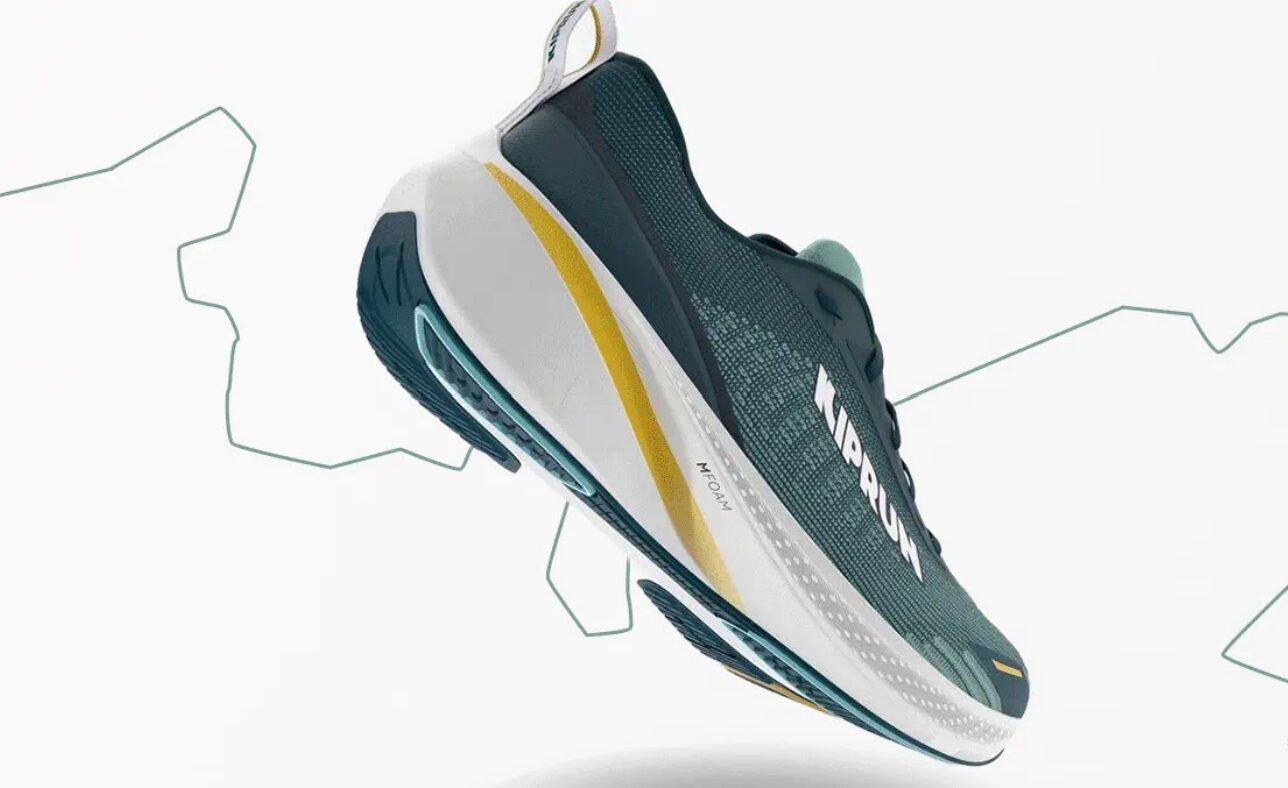
Innovation plays a central role in Decathlon’s identity. The company invests heavily in research and development, with specialized design centers focused on different sports such as cycling, hiking, and outdoor activities.
Products are tested by athletes and refined based on real-world performance. This ensures that every item meets practical needs rather than just aesthetic expectations.
From lightweight tents to high-performance bikes, Decathlon’s innovations are designed to enhance the user experience while remaining affordable.
Offering a Wide Range of Sports Products
Decathlon stands out for its extensive product range, covering more than 70 sports. From beginner-level gear to advanced equipment, the brand caters to all skill levels.
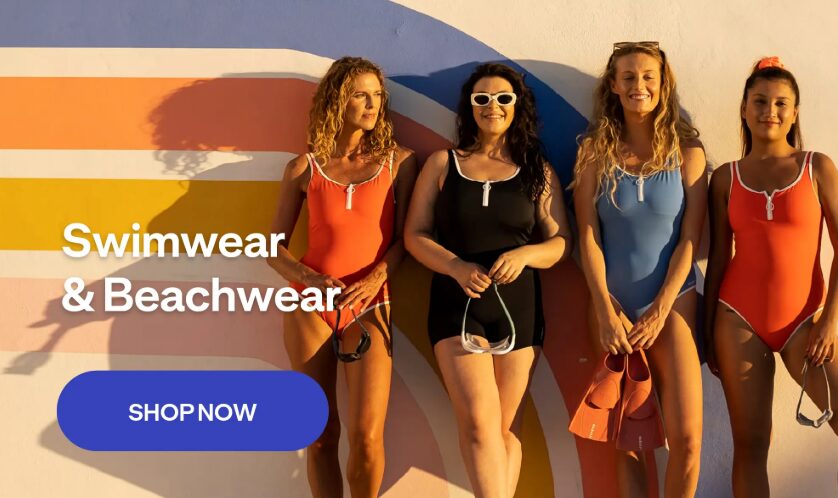
Its product categories include fitness apparel, outdoor gear, cycling equipment, swimming accessories, and much more. Each category is supported by specialized sub-brands such as Quechua for hiking or Domyos for fitness.
This wide variety makes Decathlon a one-stop destination for sports enthusiasts.
Expanding Strongly in the Indian Market
India has become one of the most important markets for Decathlon. Since entering the country in 2009, the brand has expanded rapidly, opening stores in major cities and smaller towns.
The company’s affordable pricing strategy and focus on local manufacturing have resonated strongly with Indian consumers. Rising health awareness and interest in fitness have further boosted demand.
Decathlon is also increasing its sourcing from India, aiming to strengthen its supply chain and support local production.
This growth highlights the brand’s adaptability to emerging markets.
The Rise of Affordable Fitness Culture
Decathlon has played a significant role in promoting fitness culture by making sports equipment accessible to a wider audience.
Previously, high-quality sports gear was often expensive and limited to professional athletes. Decathlon changed this by offering products that beginners and casual users can afford.
This democratization of sports has encouraged more people to engage in physical activities, contributing to healthier lifestyles worldwide.
Sustainability and Environmental Responsibility
As global awareness of environmental issues increases, Decathlon is taking steps to reduce its impact on the planet. The company is working to lower carbon emissions and minimize waste in its production processes.
Efforts include reducing packaging, improving product durability, and using more sustainable materials.
By focusing on long-lasting products, Decathlon promotes responsible consumption and aligns with modern environmental values.
The In-Store and Online Shopping Experience
Decathlon stores are designed to provide an interactive shopping experience. Customers can test products, explore different sports sections, and receive expert advice from staff.
This hands-on approach makes shopping more engaging and informative.
At the same time, the company has developed a strong online platform, allowing customers to browse and purchase products conveniently from home. The combination of physical and digital retail strengthens its overall reach.
Facing Competition in a Dynamic Market
Despite its success, Decathlon faces strong competition from global brands like Nike, Adidas, and Puma, as well as local retailers in different regions.
To stay competitive, the company continues to innovate, improve customer experience, and expand its product range.
Recent strategic changes, including store modernization and brand restructuring, aim to strengthen its position in the global market.
Adapting to changing consumer preferences remains essential for long-term growth.
The Future of Decathlon in the Sports Industry

Looking ahead, Decathlon is expected to continue expanding both geographically and technologically. The brand is focusing on innovation, sustainability, and customer engagement to shape its future.
With increasing interest in fitness and outdoor activities, the demand for affordable sports gear is likely to grow.
Decathlon’s ability to combine quality, affordability, and accessibility positions it as a key player in the future of the global sports industry.
Its mission remains clear: to make the joy of sports available to everyone, regardless of skill level or budget.