Start Exploring Your Ancestry with FamilyTreeDNA
Understanding your family history can be a meaningful way to connect with the past and discover the stories that shaped your identity. FamilyTreeDNA provides DNA testing services that help people investigate their ancestry, explore genetic relationships, and learn more about their family origins. Whether you are researching a specific ancestor or beginning a new genealogy project, exploring your genetic heritage can open up interesting opportunities for discovery.
Many families preserve their history through photographs, handwritten letters, old documents, and stories passed down through generations. However, some details can become unclear over time, especially when relatives move to different regions or family records are lost. DNA testing can add another source of information to traditional genealogy and help researchers investigate connections that might otherwise remain unknown.
FamilyTreeDNA offers different testing options for people with different research goals. By understanding what each test can reveal, you can choose an approach that complements your existing family history research and helps you investigate the questions that matter most to you.
Discover More About Your Family Origins
Learning about your ancestral background can help you understand how different family lines developed over generations. FamilyTreeDNA offers tools for genetic genealogy, allowing users to examine particular ancestral lines and explore relationships with potential relatives.
The Family Finder test focuses on autosomal DNA, which can help identify genetic matches across different branches of a family tree. This option may be useful for people interested in finding relatives, investigating shared ancestors, or expanding their existing genealogy research.
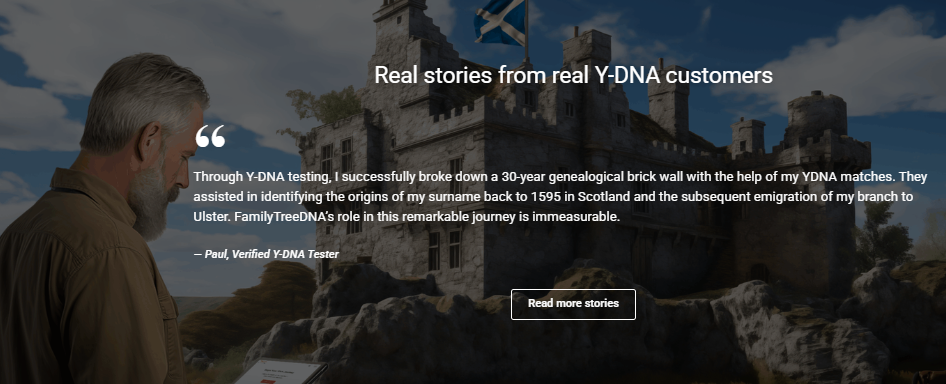
For individuals who want to explore a direct paternal line, Y-DNA testing can provide additional information about paternal ancestry. Mitochondrial DNA testing, meanwhile, focuses on the direct maternal line. These specialized tests can be particularly interesting when researching a surname, investigating an inherited family tradition, or following a maternal line through historical records.
Each testing method has a different purpose, and no single test answers every question about a person’s ancestry. Reviewing the available options before choosing a test can help you make a decision that suits your interests and research plans.
Find Potential Relatives Through DNA Matching
One exciting aspect of genetic genealogy is the possibility of discovering relatives you may never have known about. FamilyTreeDNA’s matching features can help users identify people who share genetic information and may have a common ancestor.
These connections can be especially useful when traditional family research reaches a point where documents are incomplete or difficult to locate. A DNA match may provide a name, family tree, geographical clue, or another detail that helps direct further investigation.
However, genetic matching is only the beginning of the research process. A match does not always reveal an exact relationship immediately. The relationship may become clearer after comparing shared DNA information with family trees, historical documents, and known relatives.
If you discover a potential relative, consider making contact politely and explaining your interest in family history. Asking about shared ancestors, family surnames, or historical locations can help start a useful conversation. Respecting privacy and personal boundaries is important, especially when discoveries involve unexpected family connections.
Investigate Maternal and Paternal Family Lines
Every family tree contains several generations of stories, relationships, and migrations. Investigating individual ancestral lines can help researchers understand how their families developed and where particular branches may have originated.
Y-DNA testing is designed to investigate direct paternal ancestry through the Y chromosome. It can be helpful for people exploring paternal-line relationships and surname histories. Because this chromosome is generally passed from father to son, the test is most directly applicable to people who have a Y chromosome.
Mitochondrial DNA testing examines a different line of inheritance. Mitochondrial DNA passes from mothers to their children, making it useful for investigating direct maternal ancestry. People of any sex can take a mitochondrial DNA test.
These specialized approaches provide information about particular lines rather than every ancestor in a person’s background. Combining them with autosomal DNA testing and traditional research can provide a broader perspective on family relationships.
Before interpreting results, it is useful to understand the differences between these methods. This knowledge helps researchers set realistic expectations and choose the most appropriate next steps.
Combine Genetic Results with Historical Research
DNA results become more meaningful when they are considered alongside reliable historical evidence. FamilyTreeDNA can help users identify potential connections, but documents and family records are often essential for understanding how those connections fit into a wider family story.
Begin by collecting information you already have. Write down relatives’ full names, approximate birth dates, marriage details, places of residence, and any known immigration or migration history. Old family photographs, letters, birth certificates, and other documents may reveal useful clues.
Once you receive DNA results, compare potential matches with your existing records. Look for shared surnames, geographical locations, and common relatives. If several pieces of evidence support the same possibility, you may have a stronger basis for investigating a particular family connection.
Keeping a research journal can make this process easier. Record what you discover, which sources support your findings, and which questions remain unanswered. Distinguishing verified relationships from unconfirmed theories prevents confusion as your family tree grows.
Genealogy often requires patience. Historical records may contain spelling variations, incomplete information, or conflicting dates. Taking time to examine the available evidence can help you build a more accurate picture of your family’s past.
Preserve Your Family History for the Next Generation
Family heritage includes much more than genetic information. It encompasses personal memories, cultural traditions, family recipes, historical photographs, and experiences that explain how previous generations lived. Preserving these details helps ensure that future family members can learn about their roots.
You can begin by creating a digital family archive. Scan old photographs, organize documents into folders, and add names, dates, and locations wherever possible. Interviewing older relatives can also reveal stories that were never recorded in official documents.
FamilyTreeDNA research can support this process by providing genetic clues and potential connections that encourage further investigation. When you discover a new relative, you may have an opportunity to exchange photographs, compare family trees, or learn additional details about a shared ancestor.
It is important to organize and protect this information carefully. Family records may contain private details, and not every relative will want personal information shared publicly. Ask permission before publishing photographs, interviews, or sensitive family discoveries.
A thoughtful approach to preservation allows you to celebrate family heritage while respecting the privacy of the people whose stories are part of it.
Make FamilyTreeDNA Part of Your Genealogy Journey
Exploring your ancestry can begin with a simple question. You might want to learn more about a grandparent’s birthplace, investigate a family surname, find biological relatives, or understand the origins of a particular ancestral line. Defining your goal can help you decide which research methods are most suitable.
FamilyTreeDNA provides different DNA testing options for people interested in genetic genealogy. Family Finder focuses on autosomal DNA matching, while Y-DNA and mitochondrial DNA testing investigate specific paternal and maternal lines. Understanding these differences can help you select a test that aligns with your interests.
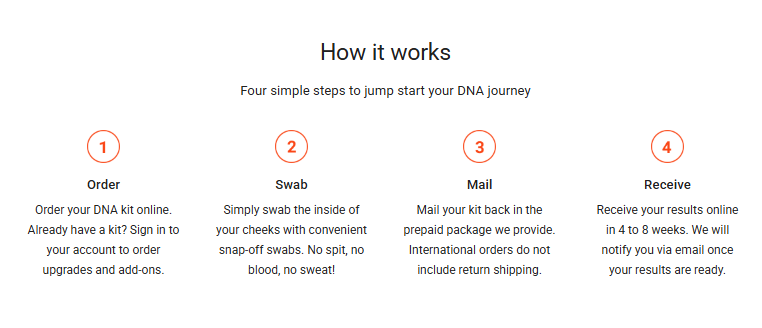
Before ordering, review the current testing details, sample collection instructions, privacy policies, and available data-management options. Genetic information is personal, so it is important to understand how your information may be used and what choices are available to you.
Remember that DNA testing provides clues rather than a complete account of your family’s history. Results are most valuable when combined with historical research, conversations with relatives, and careful evaluation of the evidence.
With curiosity, patience, and an organized approach, you can gradually uncover new details about your family’s past. FamilyTreeDNA can be a useful starting point for exploring genetic connections, investigating ancestral lines, and preserving meaningful discoveries. Each new clue can help you develop a richer understanding of the people and stories that form your family heritage.